DISCOVER
What needs clarity today?
A PHILOSOPHICAL LENS
Start with a real dilemma

A PHILOSOPHICAL LENS · 8 min read
My partner goes silent whenever we disagree
With Marcus Aurelius →READ NEXT
For today
GUIDED LEARNING · 4 PARTS
Learn the idea through life.
Control, values, relationships, and purposeful action.LIVES & IDEAS
Meet the philosophers
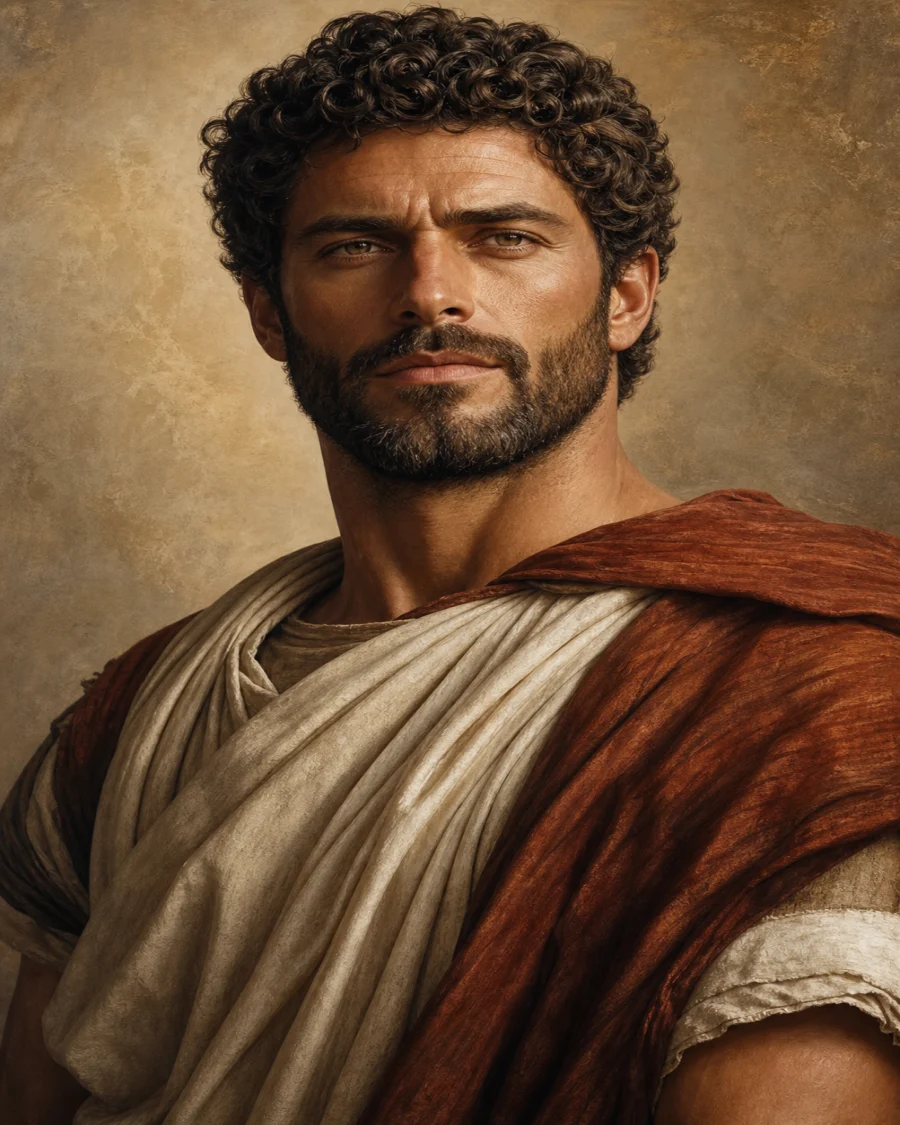
Marcus Aurelius
Stoicism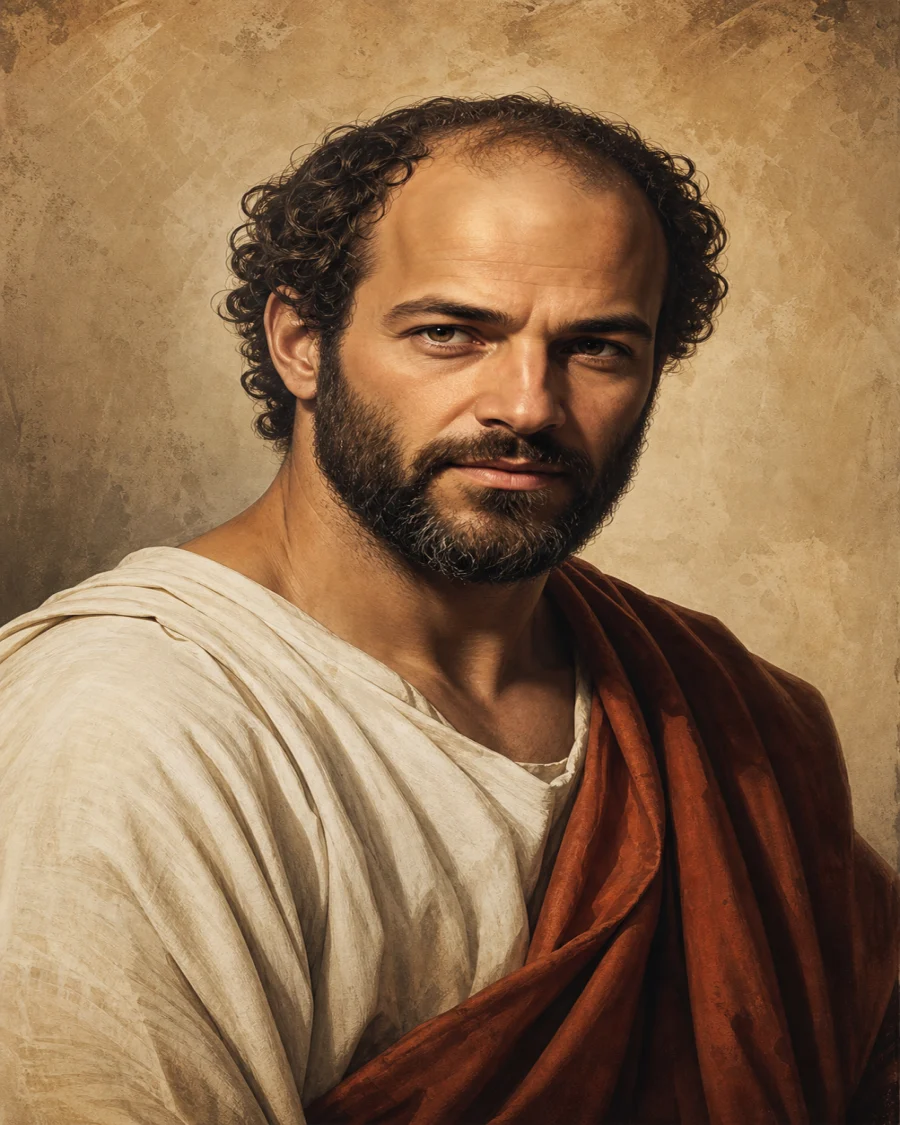
Socrates
Socratic inquiry
Confucius
Confucian ethics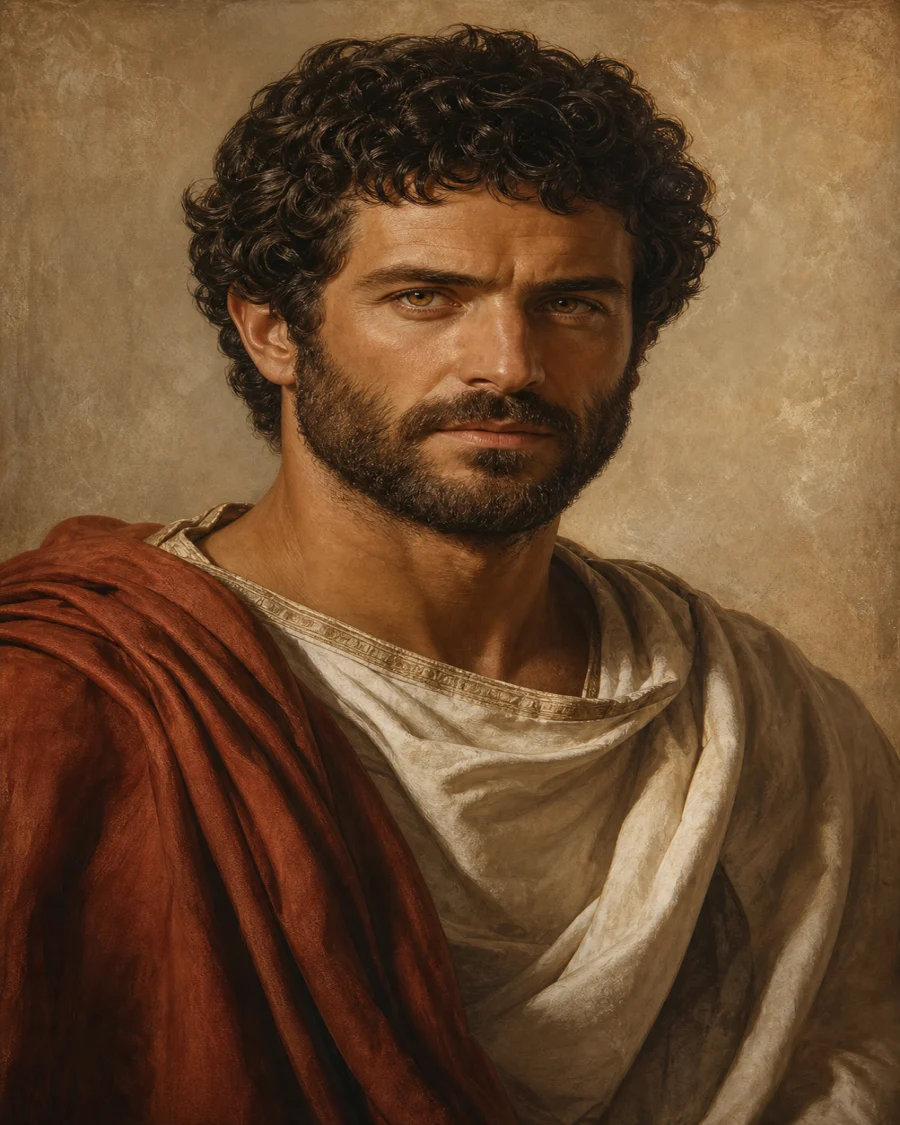
Aristotle
Virtue ethics
Laozi
Daoism
Friedrich Nietzsche
Existential philosophy
Mencius
Confucian moral psychology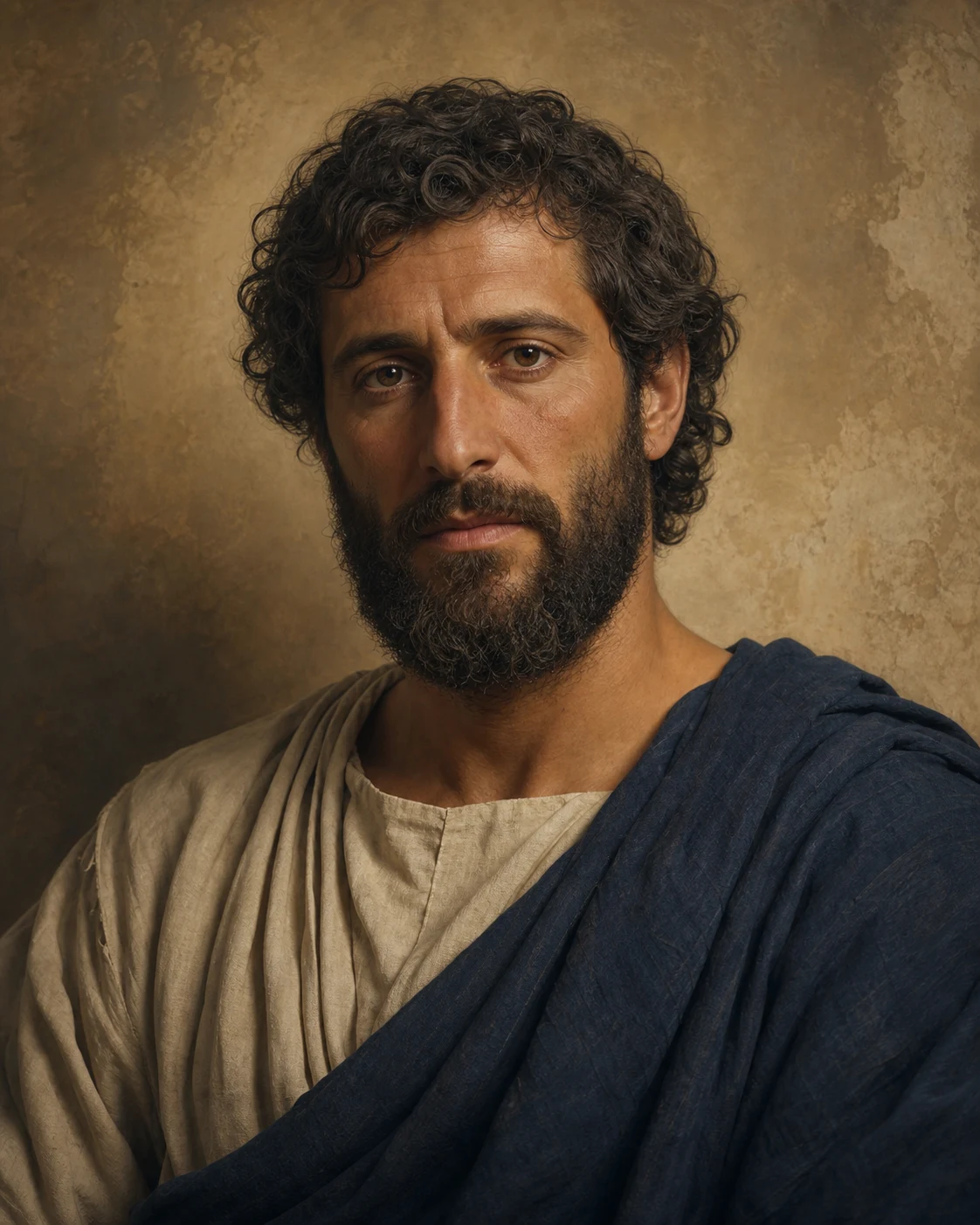
Plato
Platonic philosophy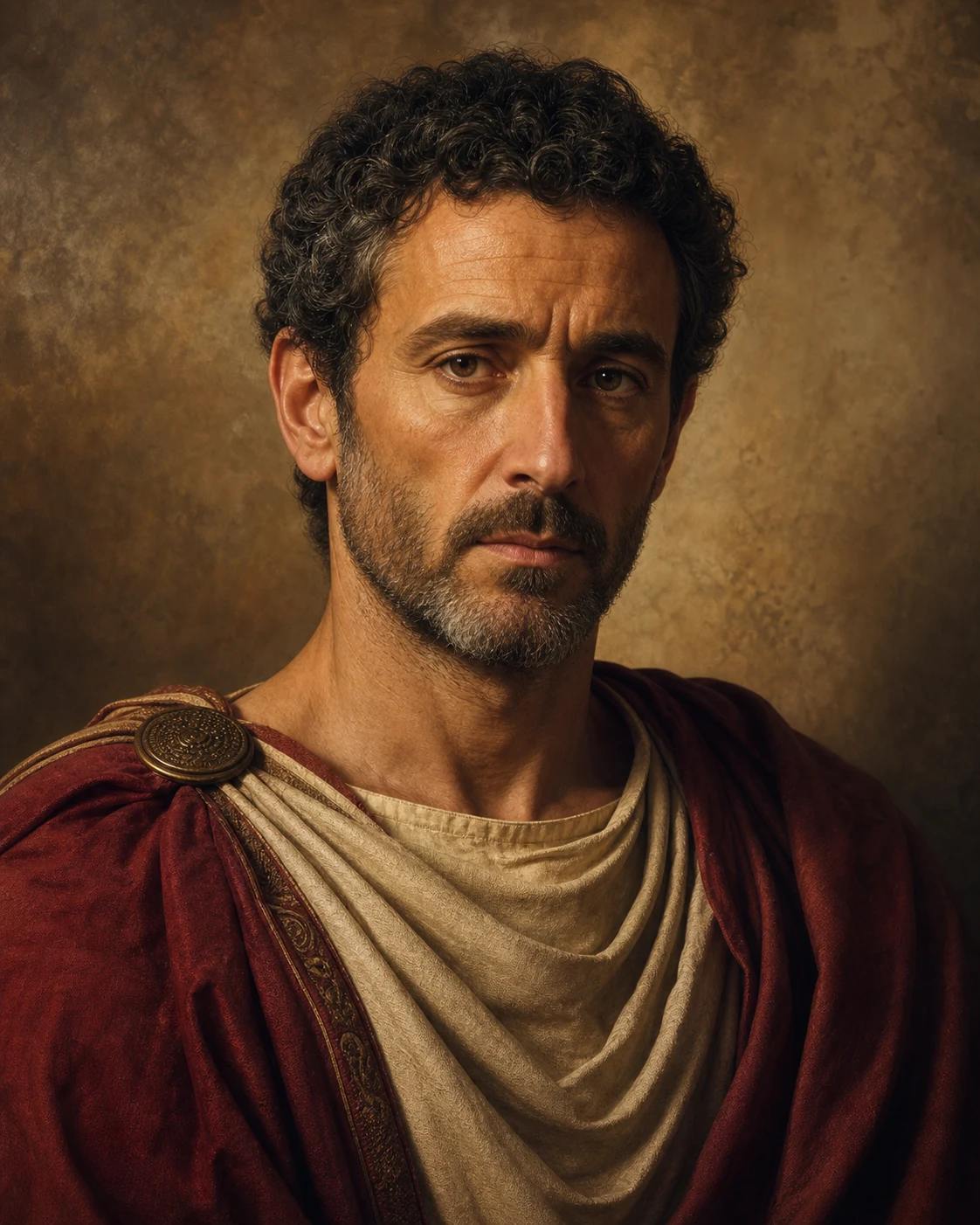
Seneca
Roman Stoicism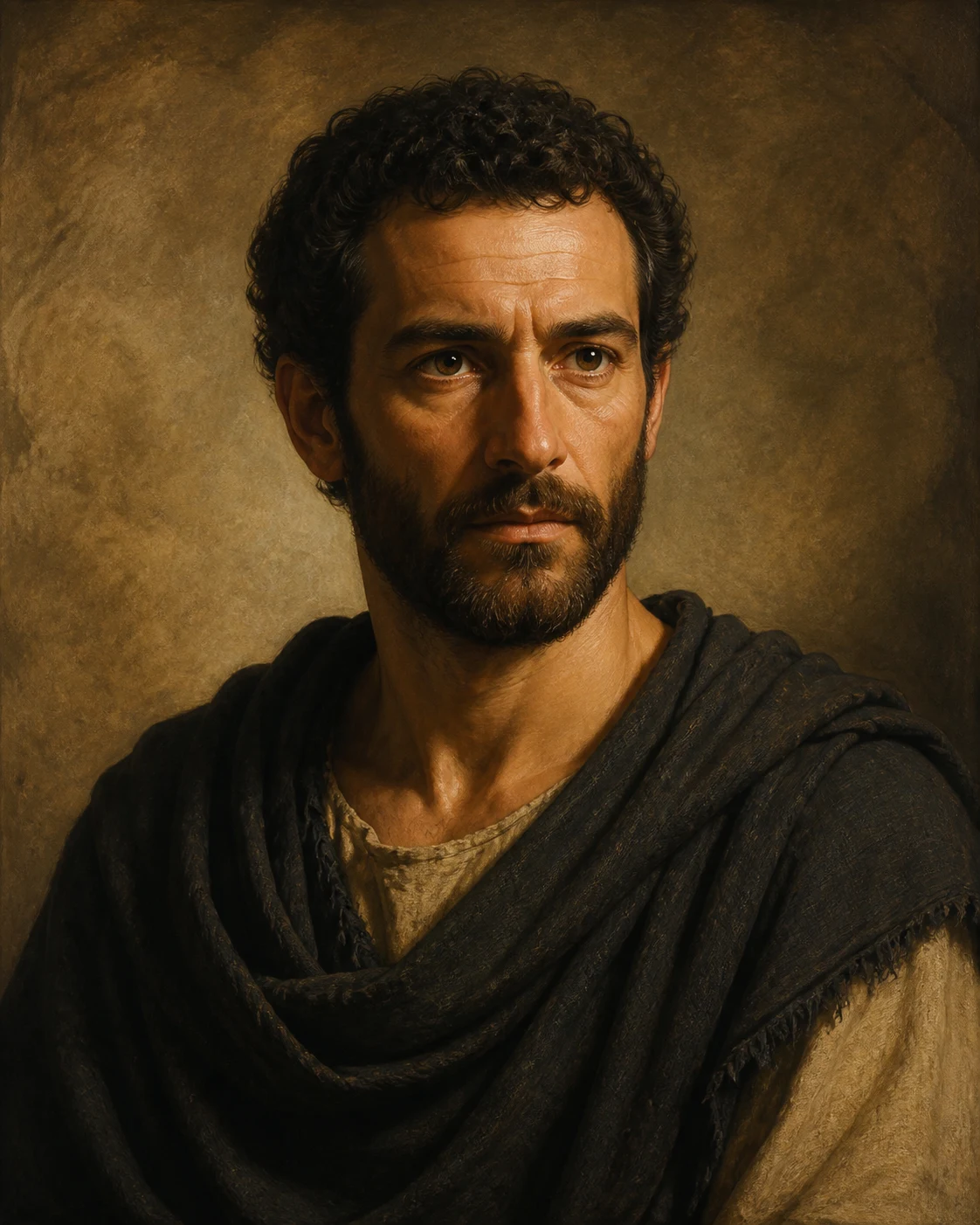
Epictetus
Stoicism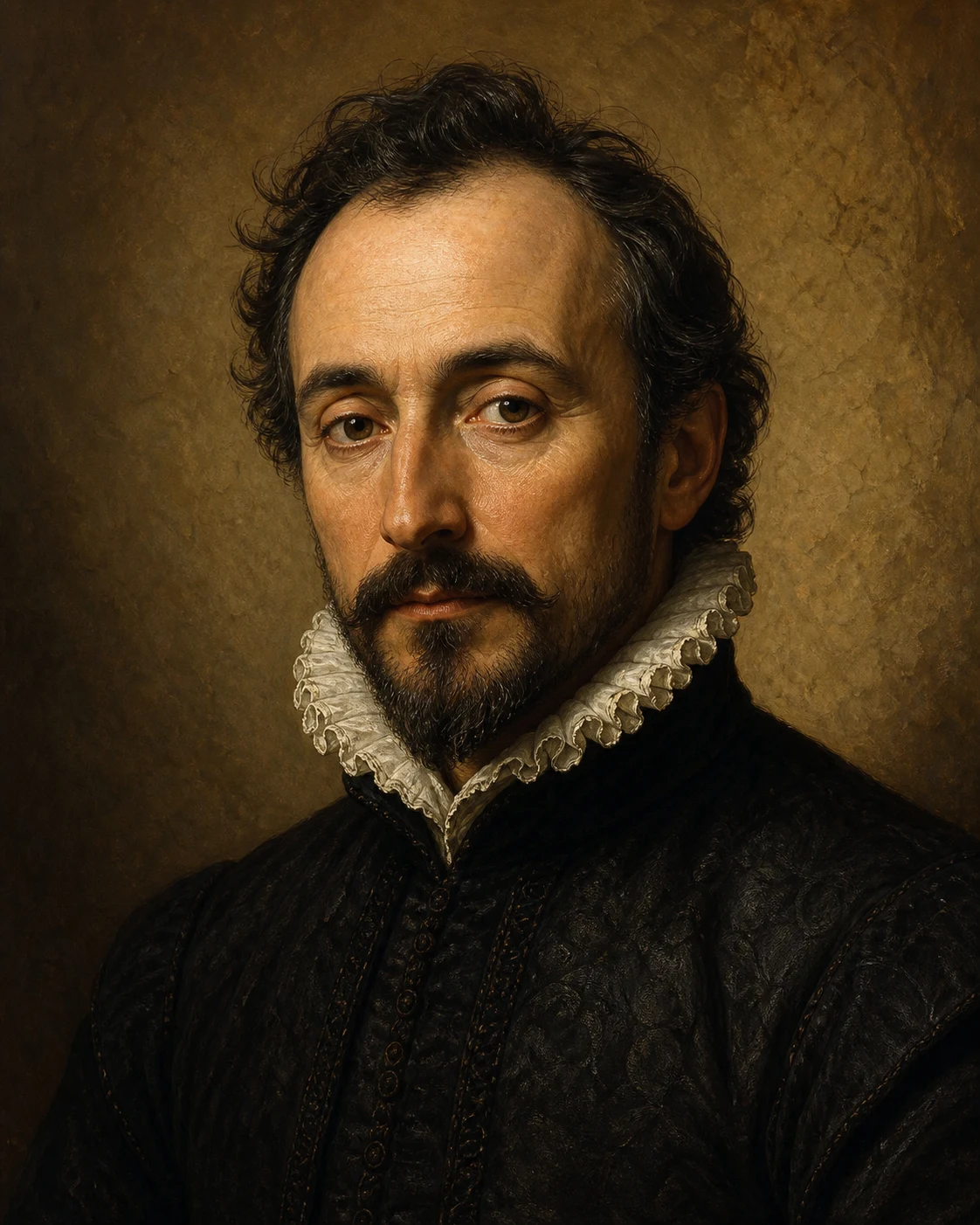
Michel de Montaigne
Renaissance skepticism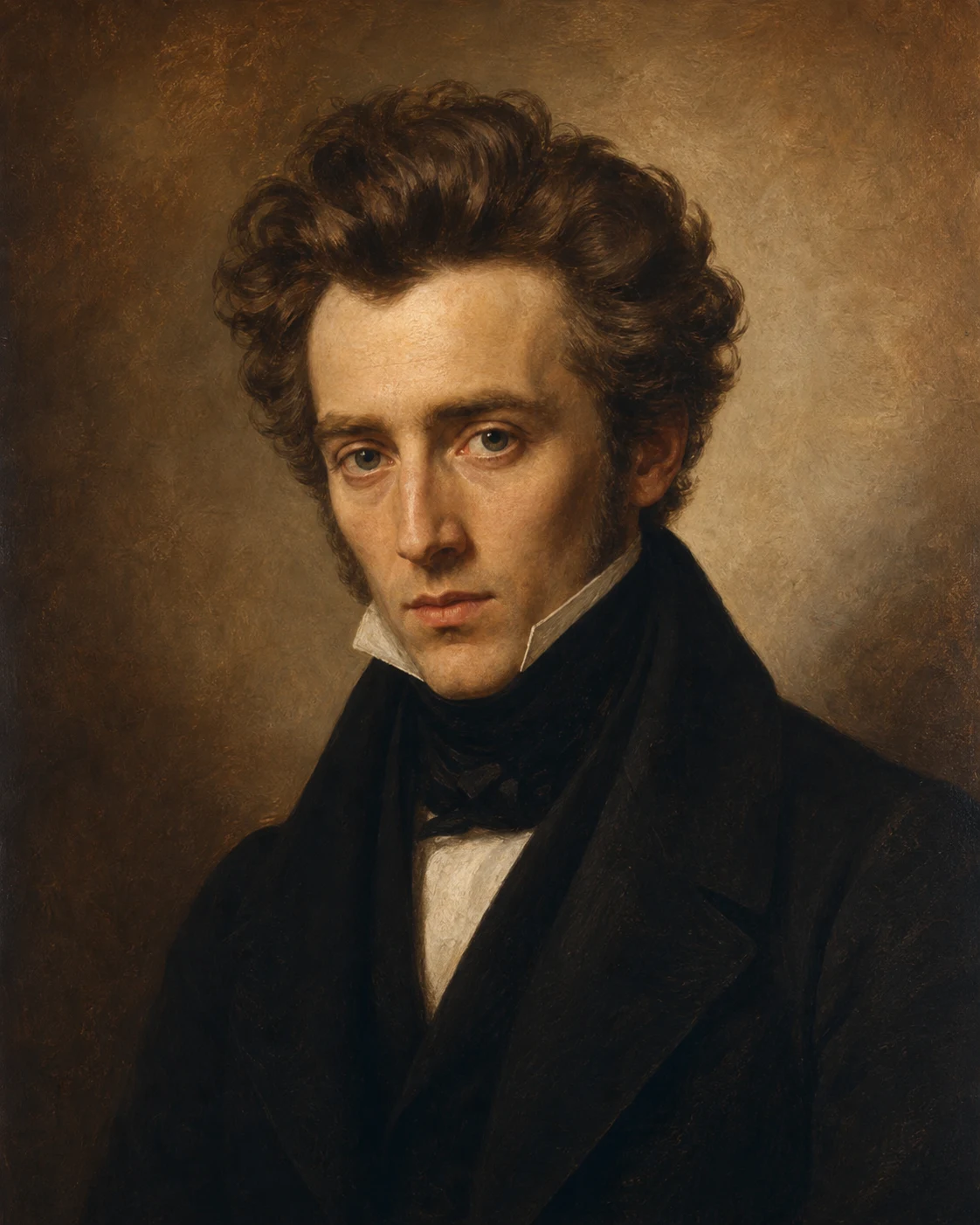
Søren Kierkegaard
Existential philosophy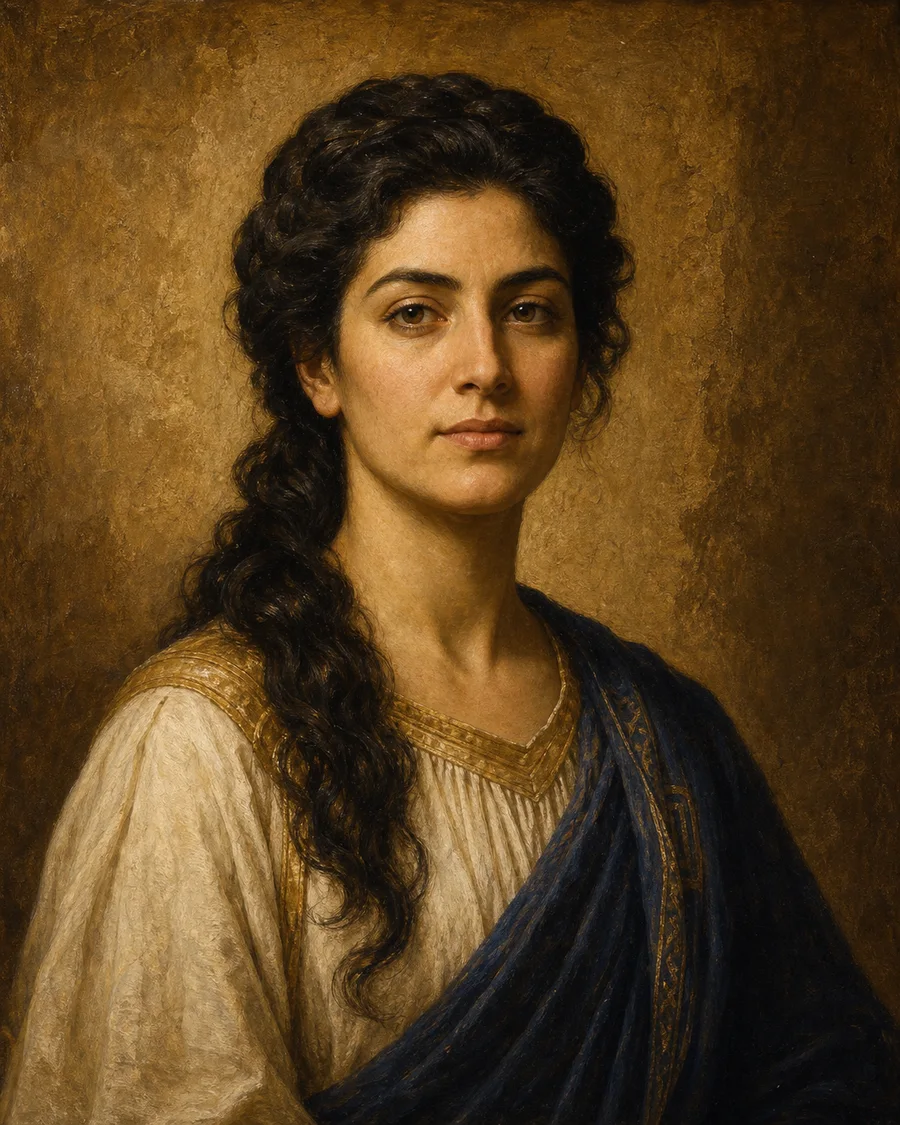
Hypatia
Alexandrian Neoplatonism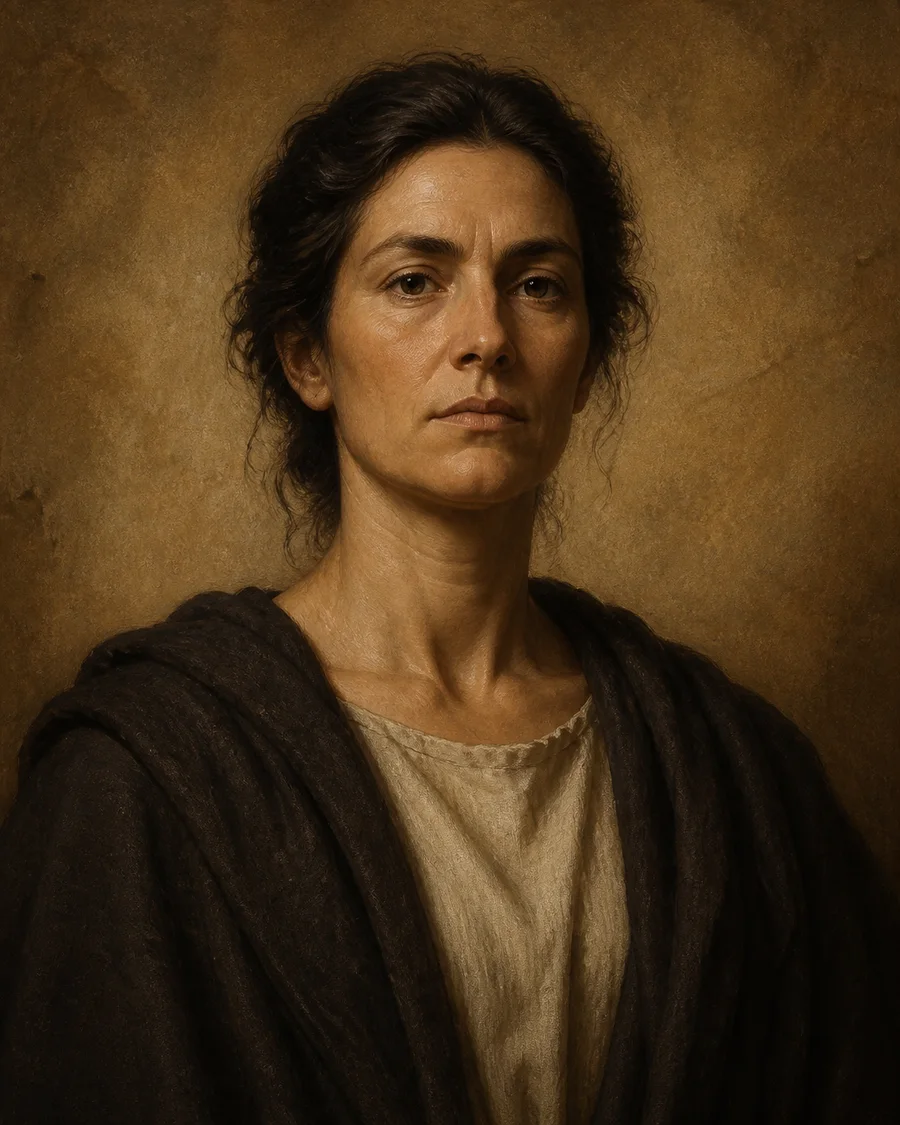
Hipparchia of Maroneia
Cynicism
Ban Zhao
Han Confucian scholarship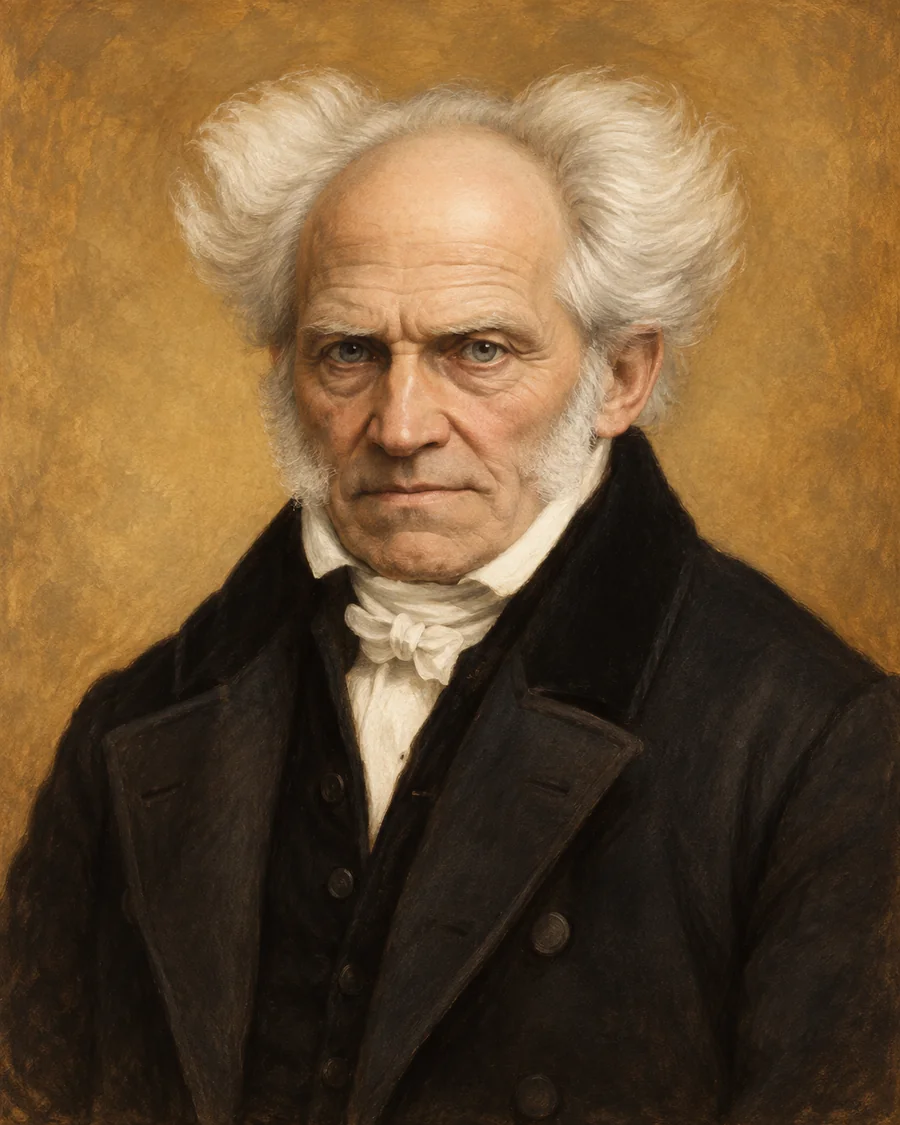
Arthur Schopenhauer
Philosophical pessimism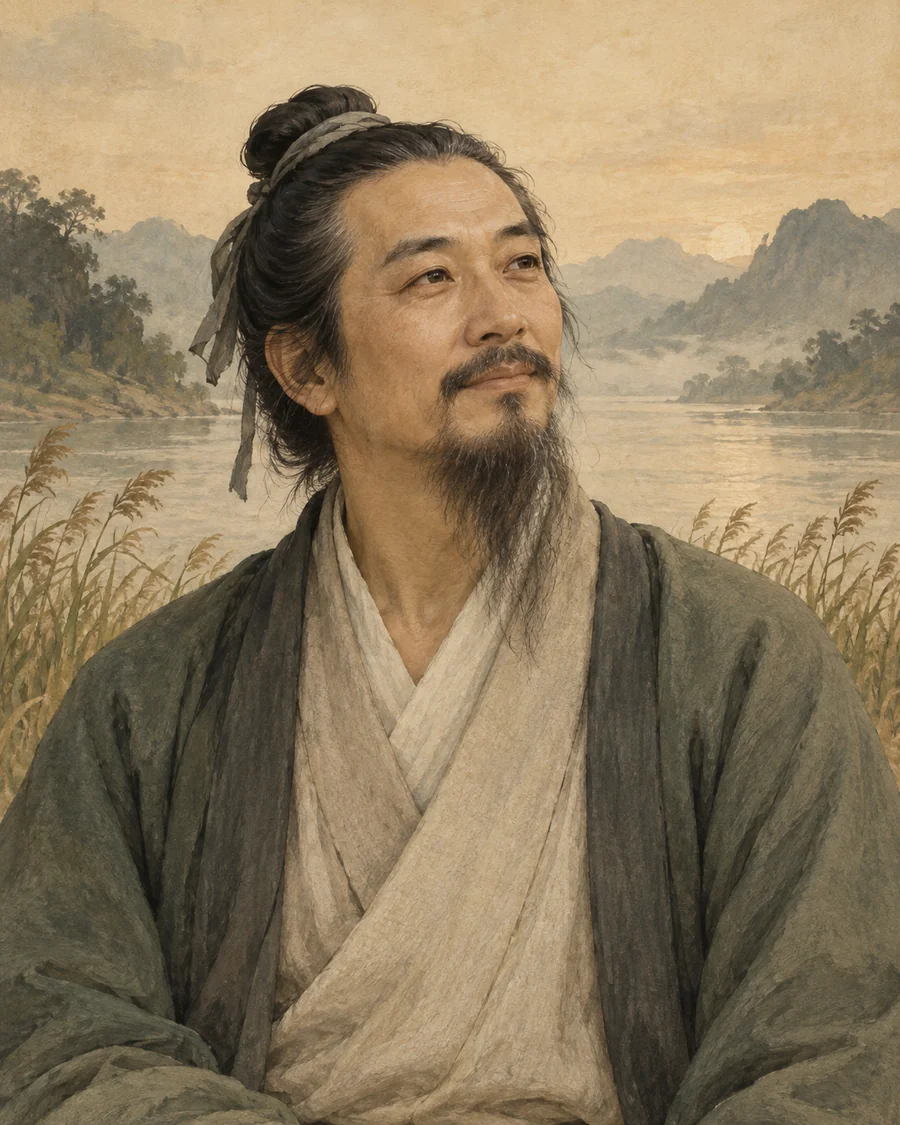
Zhuangzi
Classical Daoist philosophy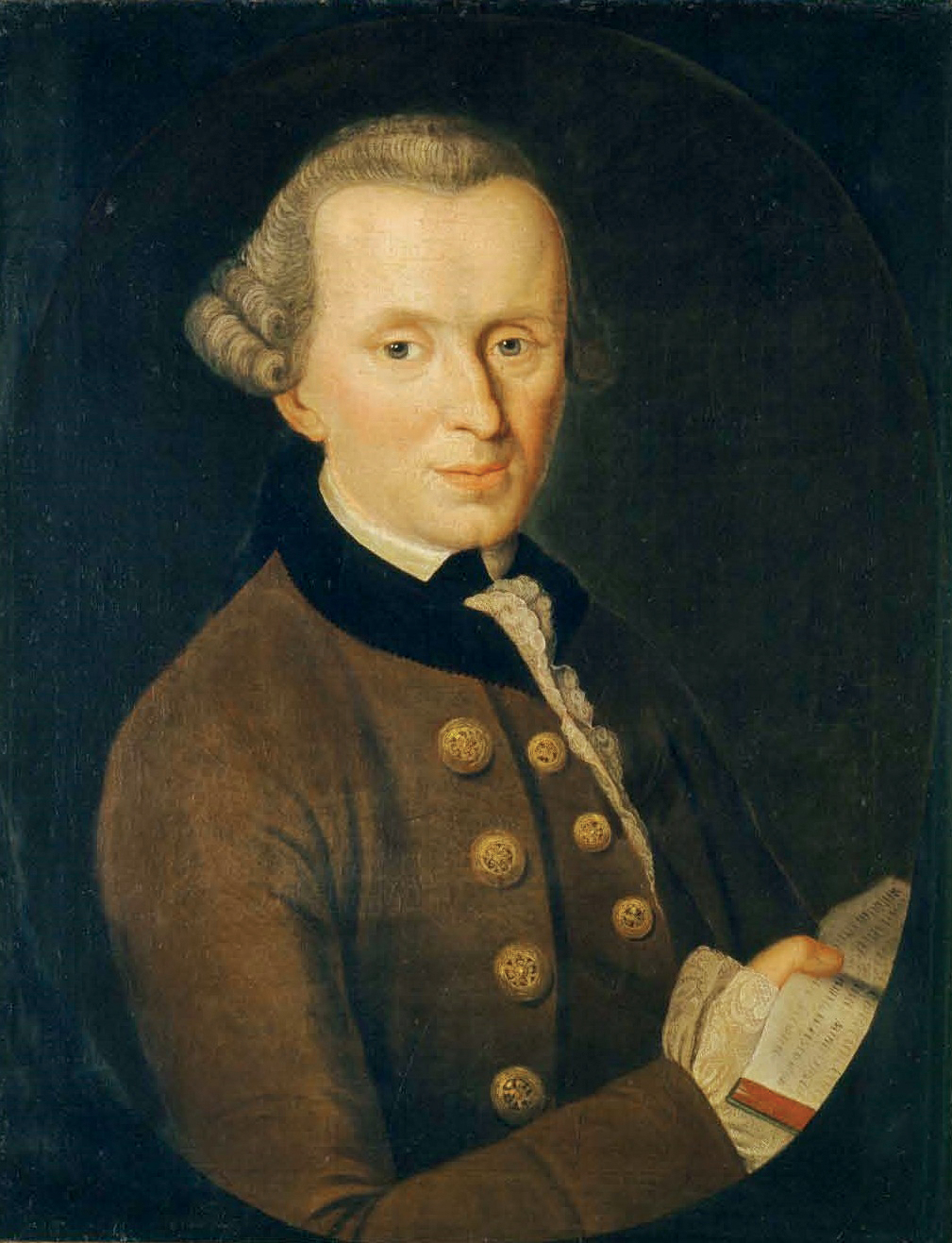
Immanuel Kant
Critical philosophyPHILOSOPHY FOR REAL LIFE
Ideas for the life you're living.
Real dilemmas, philosophical concepts, modern interpretation, and one useful next step.
When life asks, read with philosophy.
A real-life dilemma. One thinker's lens. A modern reading. Something to try today.
TODAY'S READING
For your day.
Control without emotional avoidanceMy partner goes silent whenever we disagree
A Stoic perspective on what self-command can—and cannot—do when someone withdraws after conflict.
START HERE · 4 PART COURSE
Learn philosophy through the problems it can clarify.
Move from control and values to relationships and purposeful action. Each lesson joins a classic concept to a recognizable modern problem.
Open the learning path →- 01Control & anxiety
- 02Values & decisions
- 03Relationships & duty
- 04Purpose & action
EDUCATIONAL SERIES · LIVES OF THE PHILOSOPHERS
The life behind the idea.
Meet thinkers through the worlds they inherited, the choices that shaped their work, and the questions their lives still leave with us.
Stoicism · 121–180 CE
Marcus Aurelius
Raised for responsibilityAdopted into Rome’s imperial succession, Marcus was educated for public duty long before power became his daily burden.Read their life & ideas →Socratic inquiry · c. 470–399 BCE
Socrates
Questions in publicSocrates taught without a school or textbook, testing claims about courage, justice, and goodness in the streets of Athens.Read their life & ideas →Confucian ethics · 551–479 BCE
Confucius
Learning against disorderConfucius lived amid political fragmentation and asked how trustworthy people and humane relationships might restore social life from the ground up.Read their life & ideas →Virtue ethics · 384–322 BCE
Aristotle
Twenty years at Plato’s AcademyBorn in Stagira, Aristotle entered Athens as an outsider and spent two decades learning in Plato’s school before developing a distinct approach.Read their life & ideas →Daoism · Traditional 6th c. BCE
Laozi
The uncertain historical LaoziTraditional stories describe an old master and archivist, while modern scholarship treats his identity and dates with care rather than certainty.Read their life & ideas →Existential philosophy · 1844–1900
Friedrich Nietzsche
The young classical scholarNietzsche became a professor of classical philology unusually young, then moved beyond academic convention toward philosophy written in a more personal voice.Read their life & ideas →Confucian moral psychology · c. 372–289 BCE
Mencius
A teacher among competing courtsMencius traveled through the Warring States world, advising rulers who wanted political advantage more often than moral reform.Read their life & ideas →Platonic philosophy · c. 428–348 BCE
Plato
A young aristocrat marked by Socrates’ deathThe execution of Socrates became a lasting problem for Plato: how could a city that prized speech condemn the person who examined it?Read their life & ideas →Roman Stoicism · c. 4 BCE–65 CE
Seneca
Exile, recall, and imperial serviceSeneca moved between literary life, political exile, and the dangerous position of adviser to the emperor Nero.Read their life & ideas →Stoicism · c. 50–135 CE
Epictetus
From slavery to philosophical studyEpictetus lived first as an enslaved person in Rome, gained freedom, and studied within the Stoic tradition before becoming a teacher.Read their life & ideas →Renaissance skepticism · 1533–1592
Michel de Montaigne
Magistrate, friend, and grieving survivorLegal and civic work shaped Montaigne, while the death of Étienne de La Boétie gave his reflections on friendship their lasting intensity.Read their life & ideas →Existential philosophy · 1813–1855
Søren Kierkegaard
Inheritance, faith, and melancholyRaised in Copenhagen in a wealthy but somber religious family, Kierkegaard inherited both material freedom and an intense moral imagination.Read their life & ideas →Alexandrian Neoplatonism · c. 355–415 CE
Hypatia
Teacher in late-antique AlexandriaWorking in a major intellectual center, Hypatia became known for teaching philosophy and mathematical sciences to students from different religious backgrounds.Read their life & ideas →Cynicism · fl. c. 300 BCE
Hipparchia of Maroneia
Leaving the expected lifeAncient accounts remember Hipparchia rejecting wealth and a conventional marriage in order to share the austere philosophical life of the Cynics.Read their life & ideas →Han Confucian scholarship · c. 45–117 CE
Ban Zhao
Education beyond the expected boundaryRaised in an erudite family, Ban Zhao received a classical education rarely available to women and developed expertise in history, literature, and court scholarship.Read their life & ideas →Philosophical pessimism · 1788–1860
Arthur Schopenhauer
From commerce to philosophyBorn into a merchant family, Schopenhauer eventually pursued university study and a life of writing. His intellectual independence had material conditions; it was not simply an act of will.Read their life & ideas →Classical Daoist philosophy · Late 4th century BCE; dates uncertain
Zhuangzi
Zhuang Zhou and the limits of biographyA thinker associated with the late Warring States world, Zhuang Zhou remains difficult to reconstruct from the later stories told about him.Read their life & ideas →Critical philosophy · 1724–1804
Immanuel Kant
Königsberg and the work of a lecturerBorn in 1724, Kant studied and taught in Königsberg, becoming professor of logic and metaphysics in 1770.Read their life & ideas →More to explore
 Practical wisdom and fair proportion
Why am I the only sibling caring for our parents?
An Aristotelian perspective on fair responsibility, family guilt, and a duty that must remain sustainable.
 Inherited values and self-authorship
I got the promotion. Why do I feel nothing?
A Nietzschean perspective on borrowed ambition and the uneasy moment when success stops feeling like yours.
 Non-forcing and release
Why do I keep checking my ex after a breakup?
A Daoist perspective on loosening the grip without pretending that attachment disappears on command.
The dichotomy of controlWhen everything feels uncertain, shrink the circle
A Stoic way to separate real responsibility from exhausting mental noise.
The examined lifeHow to decide without perfect certainty
Socratic questioning for choices where every option carries a cost.
LIFE, EXAMINED
Bring the messy version.
Read fictional composite stories across love, family, friendship, and work—then follow a philosophical lens into action.