The unequal costs of convention
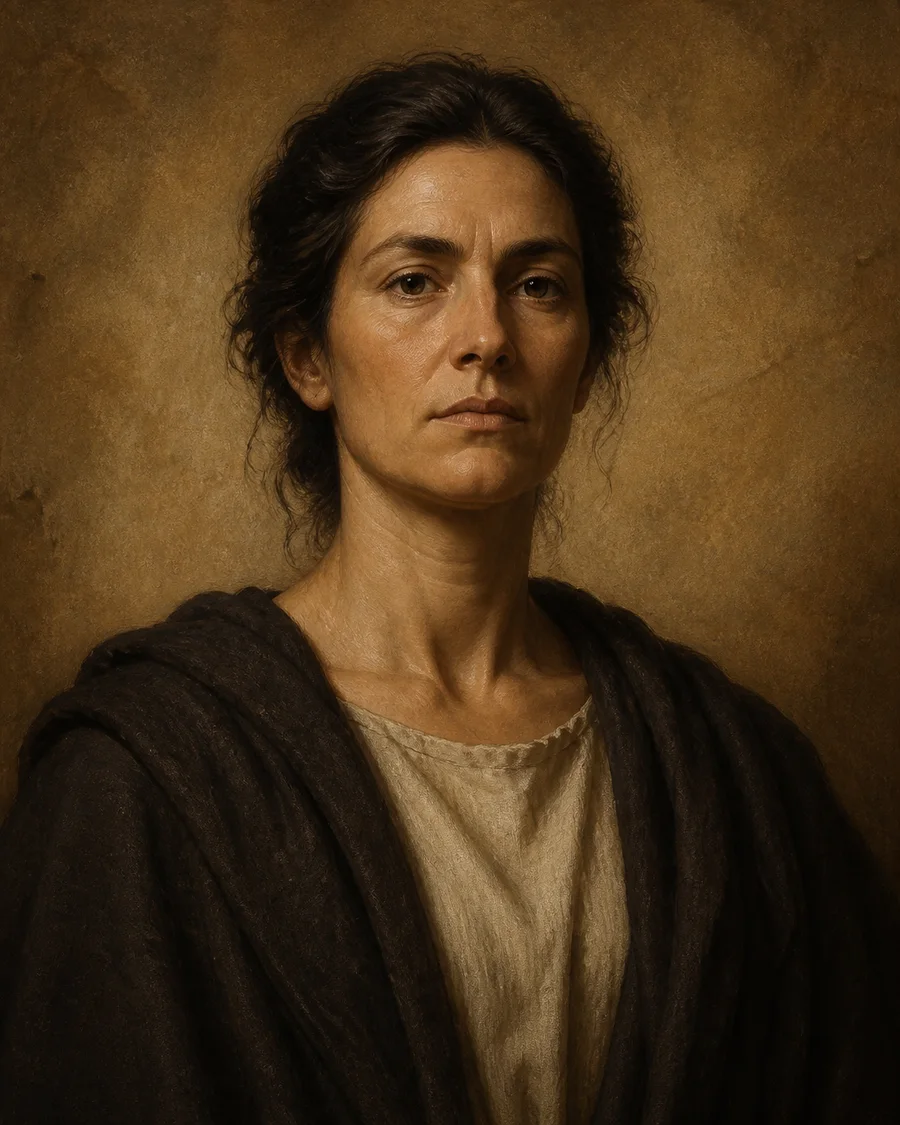
Hipparchia, associated with Maroneia in Thrace and the later fourth century BCE, cannot be given a continuous childhood biography from the surviving evidence. Major anecdotes come through Diogenes Laertius much later. They should neither be discarded automatically nor treated as contemporary transcripts. They give access both to a woman's philosophical presence and to the ways later writers remembered it.
Cynic practice questioned possessions and conventional respectability. For Hipparchia, public philosophical life also crossed expectations about where women belonged. The same clothing or speech could attract different penalties depending on who used it. Attending to that unequal setting makes rejection of convention a concrete choice, rather than a general slogan about personal freedom.
Hipparchia came from Maroneia in Thrace and is remembered as the sister of Metrocles, who moved from Aristotle’s Lyceum toward the Cynic circle of Crates. Diogenes Laertius, writing centuries later, says she rejected wealthy suitors and chose Crates together with his poverty. The story has the polished shape of philosophical biography, so its dialogue and dramatic details cannot be read as a transcript. It nevertheless preserves the unusual fact around which the tradition formed: a woman of means adopted Cynic austerity as a deliberate vocation.
A shared Cynic life and a public argument
Diogenes Laertius recounts her decision to share the life and teaching of Crates despite opposition. The details cannot all be certified, but the conflict is clear within the tradition: marriage is portrayed as participation in an unconventional philosophical practice, with material and social consequences. The choice concerns living the argument together, not merely admiring a teacher from a secure distance.
Another anecdote places her in dispute with Theodorus, where her presence in intellectual discussion is challenged against the expected work of weaving. Retelling it only as a clever victory misses the unequal starting point. Who is assumed to have a right to argue, and who must first justify being there? That question can be drawn from the story without presenting its exact dialogue as verified speech.
Cynicism treated philosophy as training visible in conduct—few possessions, indifference to status, frank speech, and resistance to convention. For Hipparchia, public practice also challenged the household role assigned to women of her class. Ancient anecdotes place her at symposia and in argument with Theodorus. Some stories are hostile or sensational, but their recurring anxiety is revealing: she appeared where a woman philosopher was not expected and answered as an intellectual equal.
Reading beyond the surviving anecdotes
No independent body of her writing survives intact. Later letters and provocative marriage stories cannot all become autobiography. Yet the lack of a surviving book is not a reason to reduce her to Crates' wife. A relationship and a person's own argumentative activity can be described separately. The central question is what norms her choices challenged, rather than how she decorates a man's biography.
Modern readers can examine gender and access to education without attributing every contemporary principle to her. Historical difference can remain while a question continues: what does living by a chosen value cost, and to whom is the greater cost assigned? Her story also lets independence mean more than absence of relationships. It can raise the possibility of relationships organized around supporting a different way of life.
No securely surviving work can be read as Hipparchia’s own, although ancient tradition credited her with letters and arguments. Her legacy therefore rests on testimony shaped by both admiration and gendered spectacle. A careful modern reading does not turn every reported provocation into fact. It asks what the record consistently shows: Cynic freedom could expose convention as convention, and Hipparchia’s life forced the school itself to confront whether its universal claims about reason and virtue truly included women.