COURSES FOR A HUMAN LIFE
Study the questions
that do not leave us.
Begin with a question, enter a philosopher's life, and return with a clearer way to examine your own.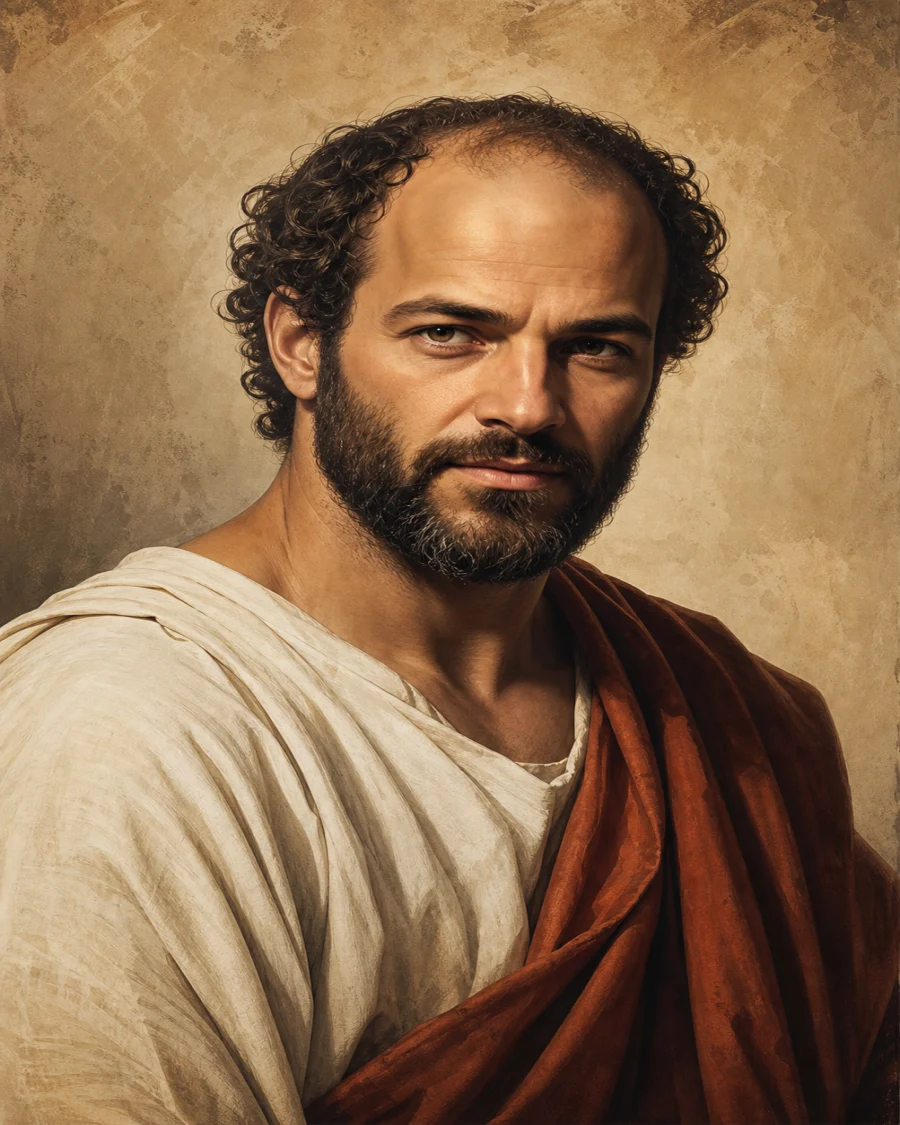 01
01START HERE · 38 min
Life and death
How does remembering death change the way we live?Socrates, Marcus Aurelius, and Laozi on mortality—not as a gloomy subject, but as a way to see time, fear, and ordinary life more honestly.Begin course →
GUIDED COURSES
A curriculum for living.
MORTALITY · ATTENTION · A LIFE WORTH LIVING
Life and death
Socrates, Marcus Aurelius, and Laozi on mortality—not as a gloomy subject, but as a way to see time, fear, and ordinary life more honestly.CHOICE · CHARACTER · THE LIMITS OF CONTROL
Freedom and responsibility
Socrates, Marcus Aurelius, and Nietzsche on choosing under pressure, examining inherited values, and taking responsibility within the limits of control.FRIENDSHIP · DUTY · NON-COERCIVE CARE
Love and relationships
Aristotle, Confucius, and Laozi on friendship, family duty, reciprocity, and the forms of care that help people remain fully themselves.AMBITION · CRAFT · A LIFE BEYOND THE JOB TITLE
Work and meaning
Aristotle, Nietzsche, and Marcus Aurelius on meaningful work, ambition, burnout, and building a life larger than professional recognition.LIVES THAT BECAME PHILOSOPHIES
The idea makes more sense
when you know the life.
Not imitation. Not character chat. Carefully contextualized stories about the pressures, choices, and contradictions behind the work.
Stoicism · 121–180 CE
Marcus Aurelius
An emperor under pressureWar, disease, political strain, and family loss made Stoicism a discipline of conduct rather than a comfortable theory.Read the 3-chapter life story →Socratic inquiry · c. 470–399 BCE
Socrates
Convicted, but not silencedTried in 399 BCE, he defended the examined life and accepted the city’s sentence rather than abandon his practice.Read the 3-chapter life story →
Confucian ethics · 551–479 BCE
Confucius
Teacher, adviser, travelerAfter limited success in office, he taught and traveled with students, treating education as moral formation rather than status alone.Read the 3-chapter life story →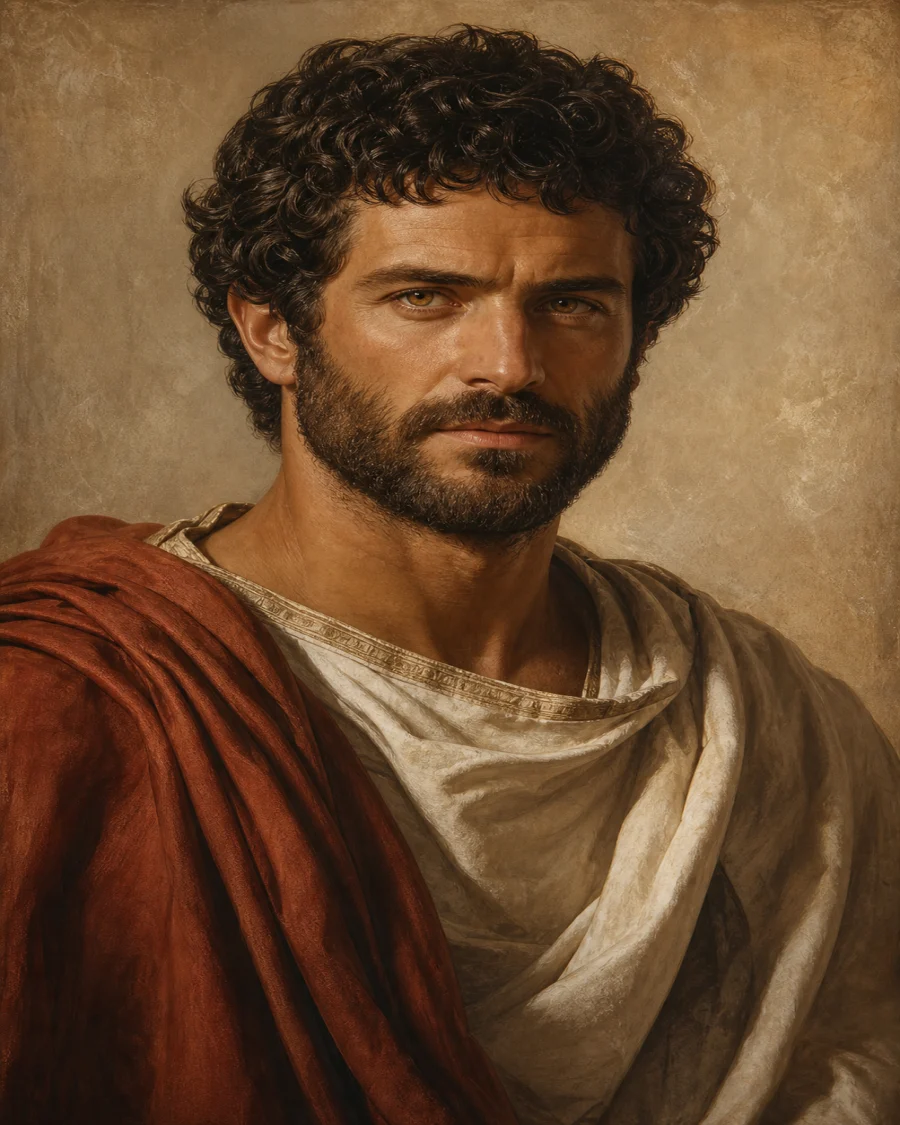
Virtue ethics · 384–322 BCE
Aristotle
From court to the LyceumHe taught, researched living systems and political constitutions, and built a school organized around inquiry across many fields.Read the 3-chapter life story →
Daoism · Traditional 6th c. BCE
Laozi
A small book of reversalsThe Daodejing speaks in compressed images: water, valleys, empty vessels, and uncarved wood reveal the usefulness of softness and space.Read the 3-chapter life story →
Existential philosophy · 1844–1900
Friedrich Nietzsche
Illness, travel, and independent workPoor health forced him from university life. He wrote while moving between European towns, often with little recognition from his contemporaries.Read the 3-chapter life story →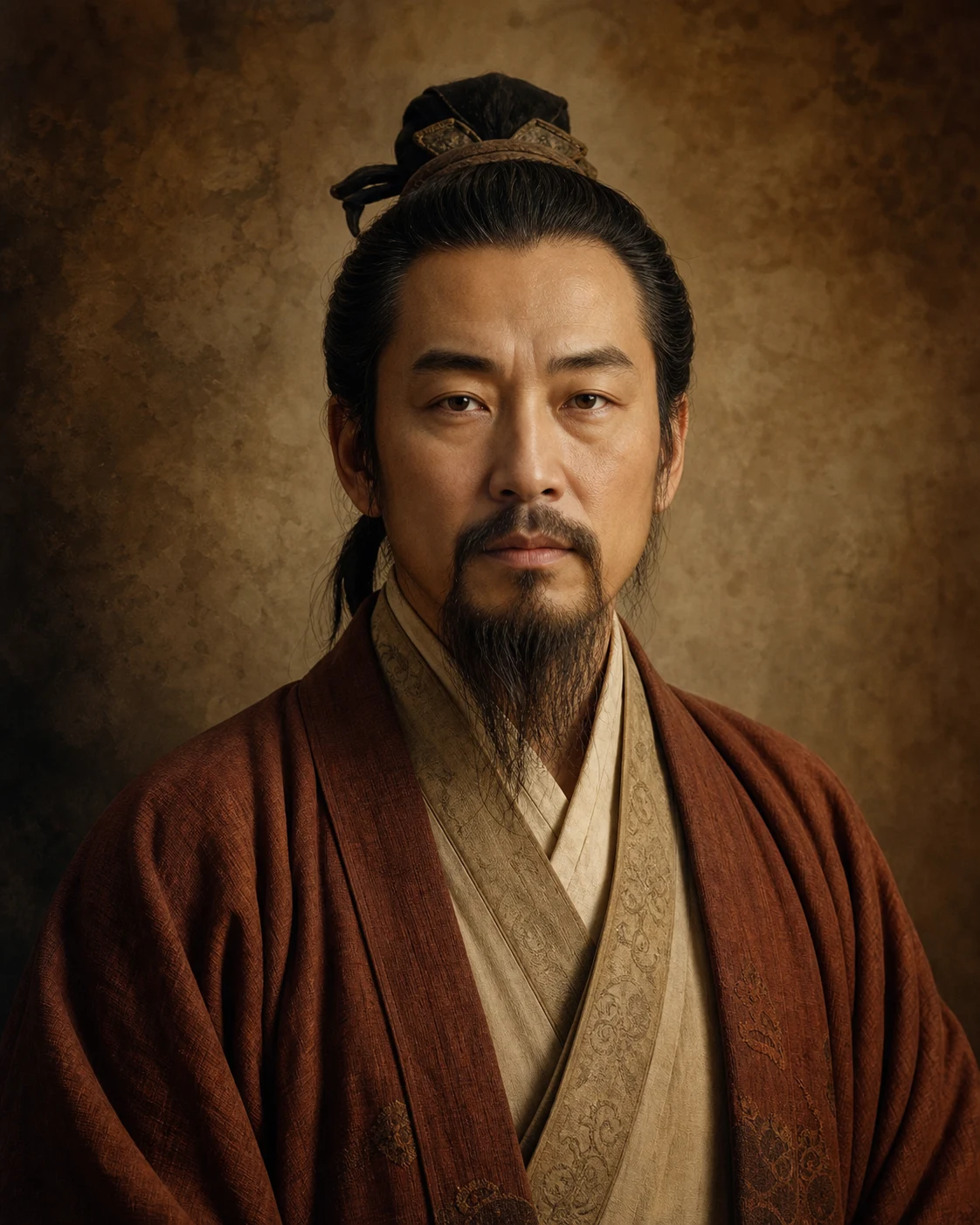
Confucian moral psychology · c. 372–289 BCE
Mencius
Protecting the heart from small bargainsHe used stories and confrontational dialogue to show how repeated choices either nourish or starve our beginnings of humane conduct.Read the 3-chapter life story →
Platonic philosophy · c. 428–348 BCE
Plato
The Academy and the philosophical dialoguePlato founded a long-lived community of inquiry and wrote conversations whose drama makes readers participate in the work of judgment.Read the 3-chapter life story →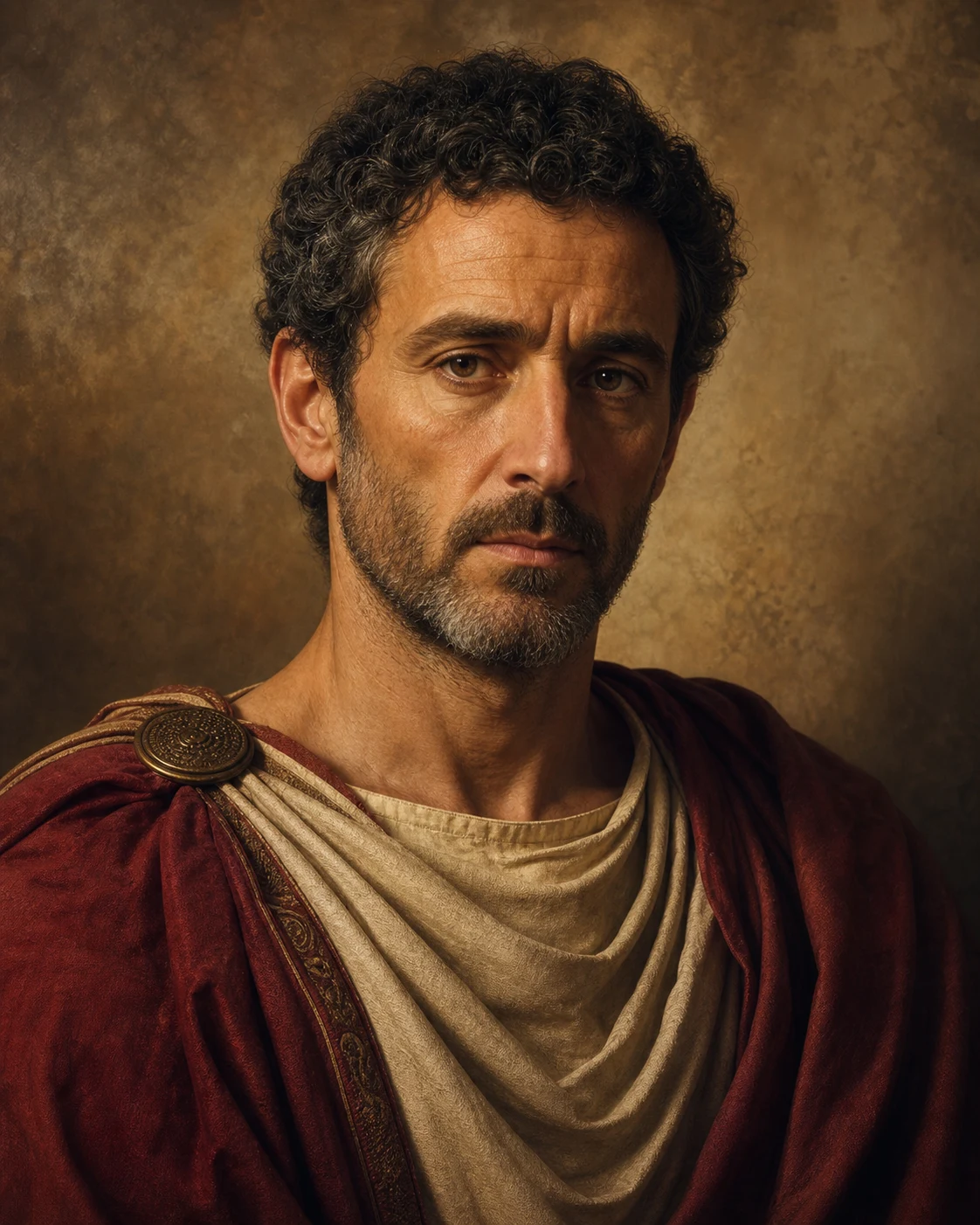
Roman Stoicism · c. 4 BCE–65 CE
Seneca
Stoic restraint amid enormous wealthHis fortune and political proximity make his writing on simplicity and freedom a test case rather than an uncontested example.Read the 3-chapter life story →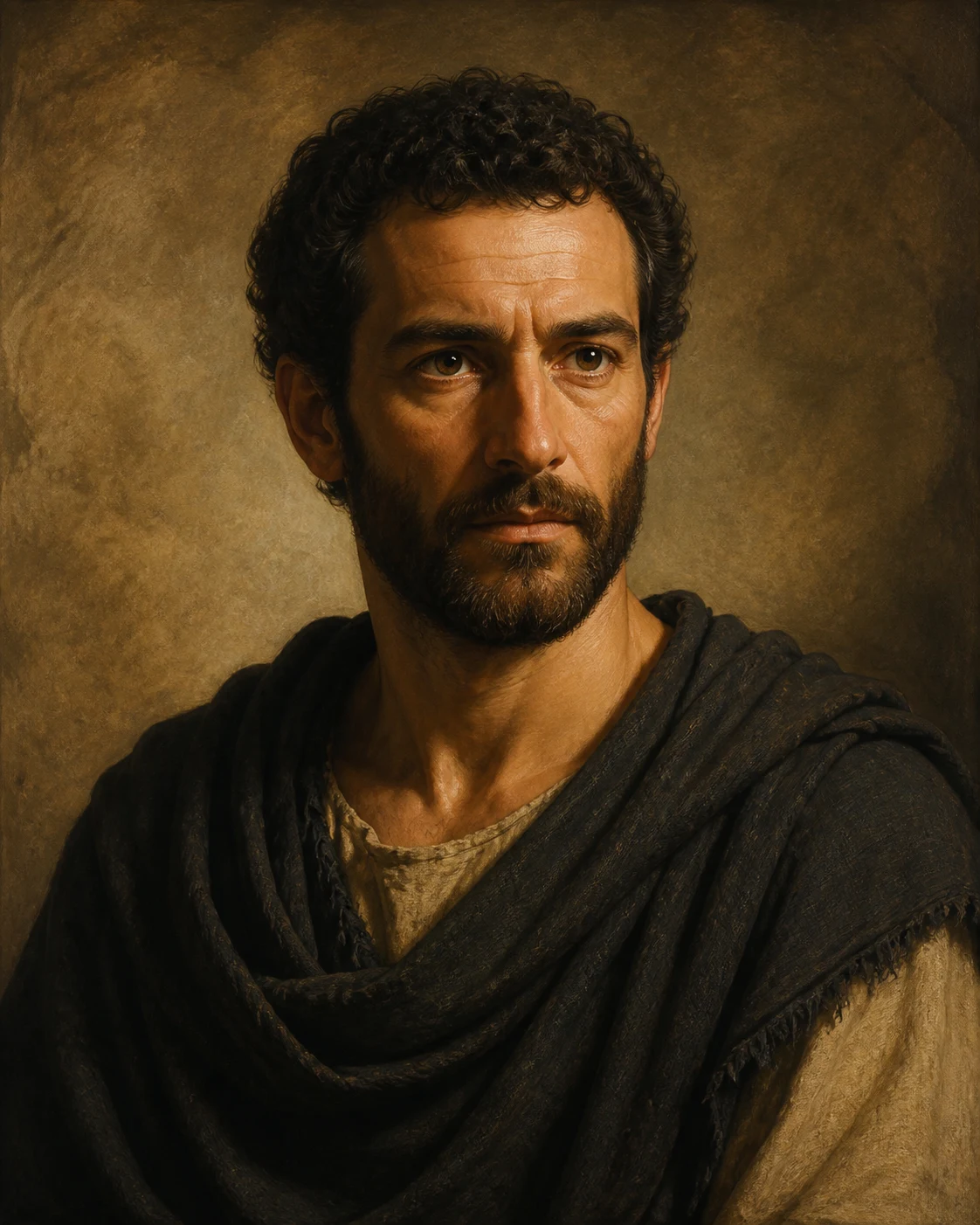
Stoicism · c. 50–135 CE
Epictetus
Exile and the school at NicopolisWhen philosophers were expelled from Rome, he established a school in northwestern Greece centered on rigorous practical training.Read the 3-chapter life story →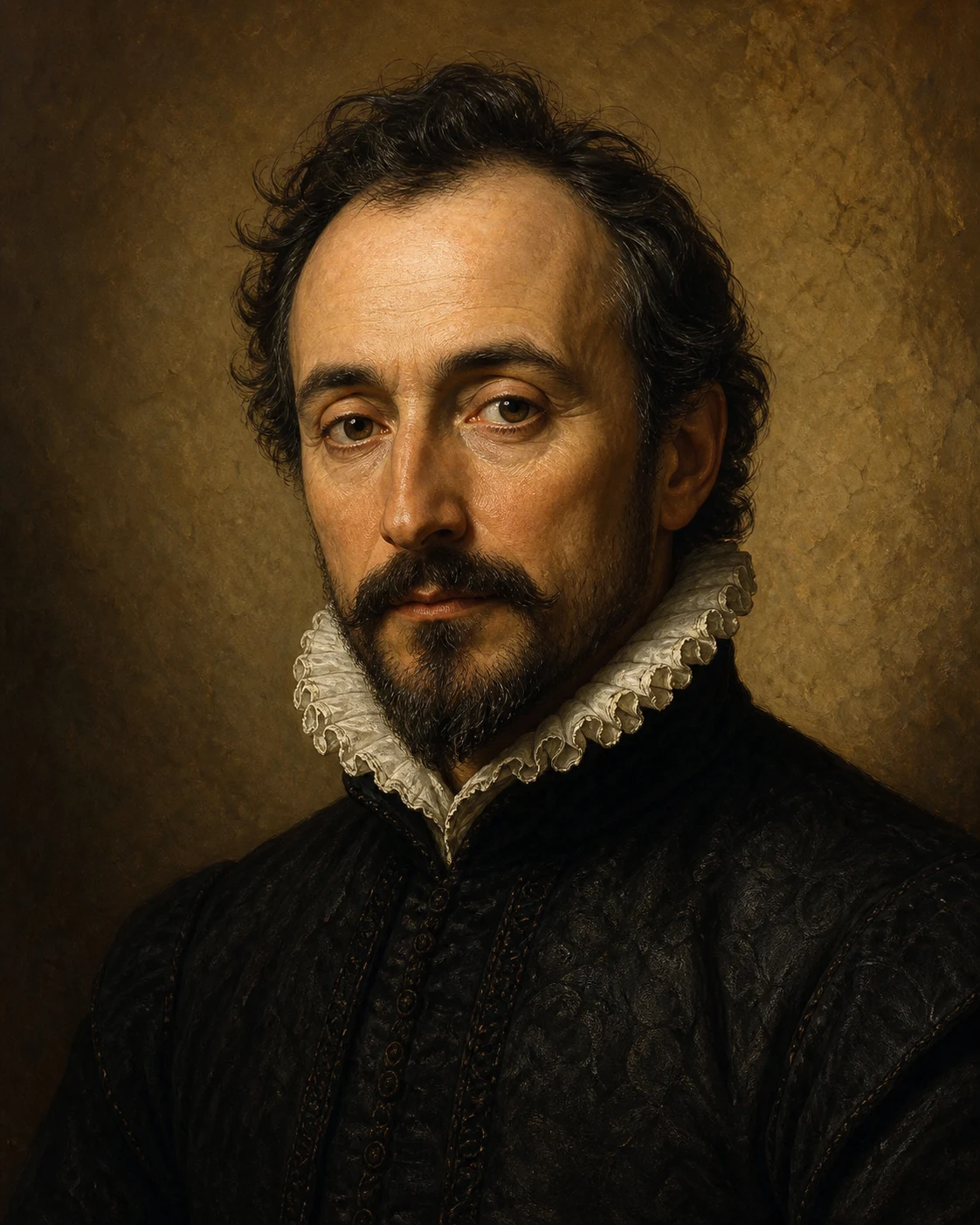
Renaissance skepticism · 1533–1592
Michel de Montaigne
Retreat that never became isolationHe withdrew to read and write, yet continued to travel and serve amid France’s wars of religion, even as mayor of Bordeaux.Read the 3-chapter life story →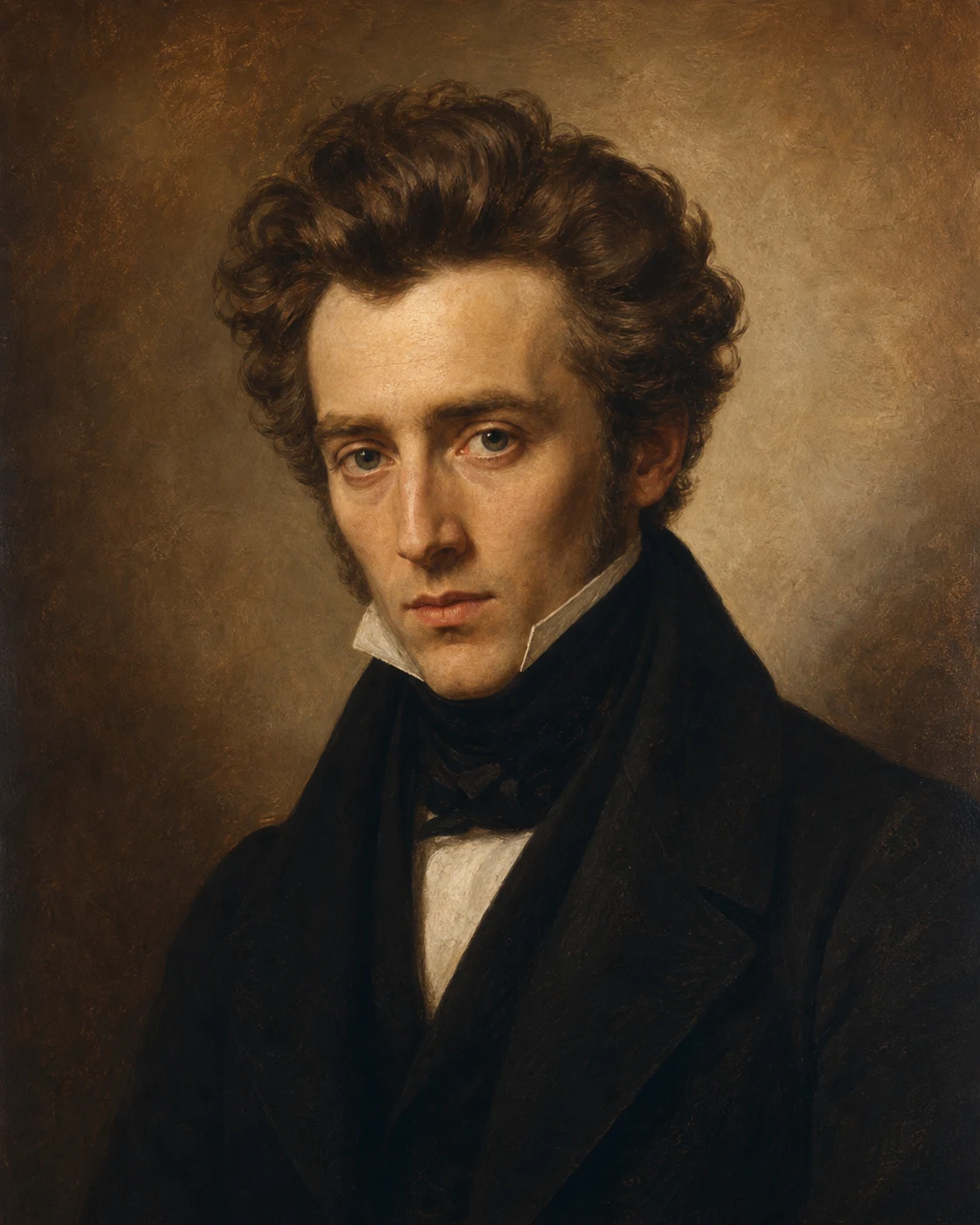
Existential philosophy · 1813–1855
Søren Kierkegaard
Regine Olsen and the broken engagementHis decision to end an engagement became a recurring site where vocation, fear, love, and self-justification could not be neatly separated.Read the 3-chapter life story →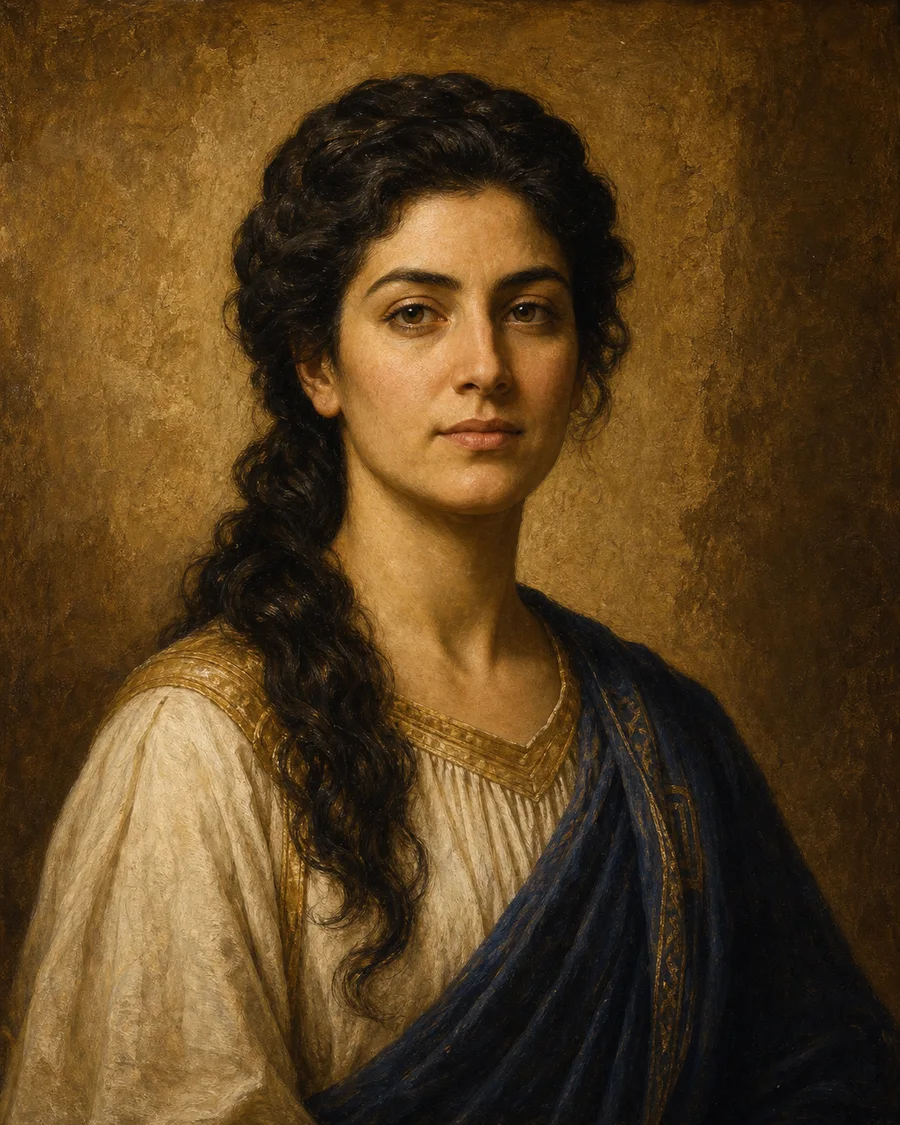
Alexandrian Neoplatonism · c. 355–415 CE
Hypatia
Counsel, authority, and civic dangerHer reputation carried her beyond the classroom into Alexandria’s public life, where political and religious conflict made visible independence increasingly dangerous.Read the 3-chapter life story →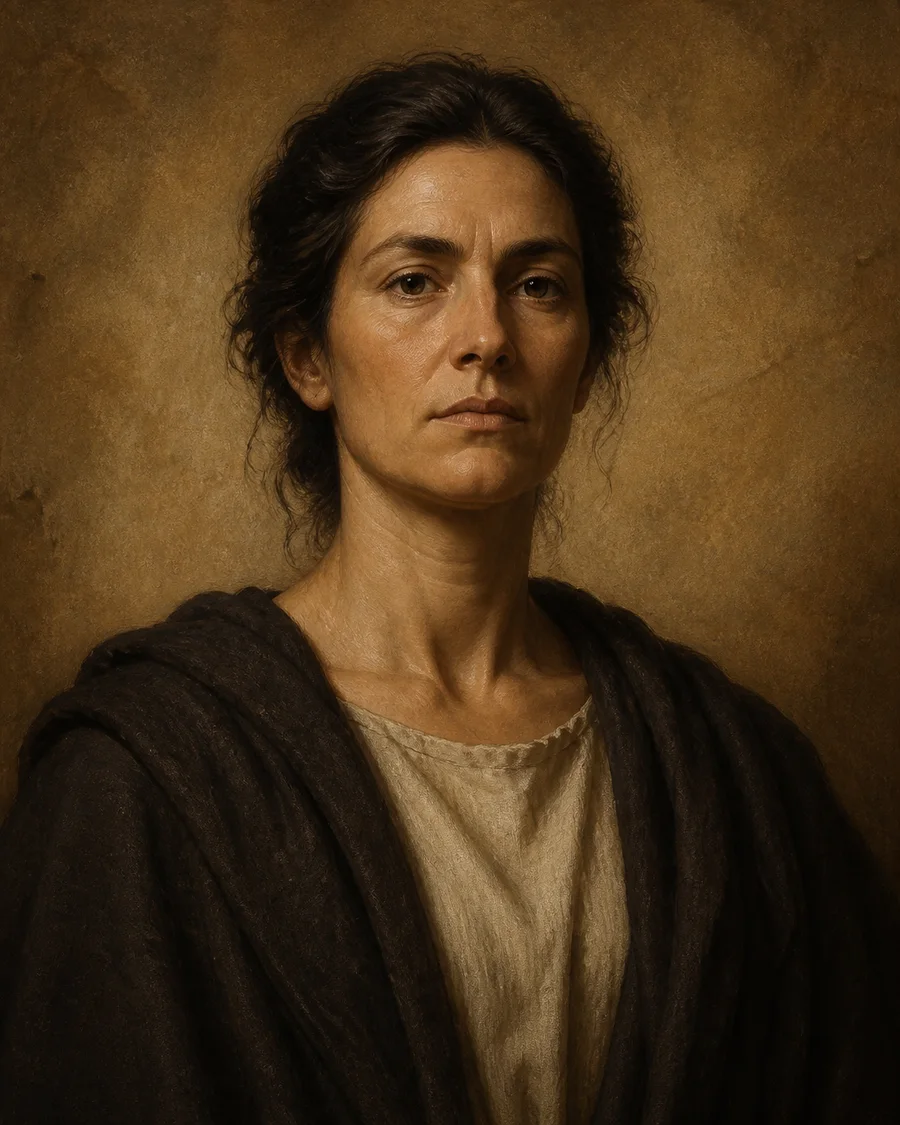
Cynicism · fl. c. 300 BCE
Hipparchia of Maroneia
Entering spaces closed to womenShe appeared at symposia and argued in public, making her presence—and not only her words—a challenge to the gendered boundaries of Greek intellectual life.Read the 3-chapter life story →
Han Confucian scholarship · c. 45–117 CE
Ban Zhao
Completing history and teaching womenAfter her brother Ban Gu died, she helped complete the Book of Han and later taught women of the imperial court, gaining unusual intellectual authority.Read the 3-chapter life story →WHEN YOU NEED AN ANSWER NOW