Epictetus
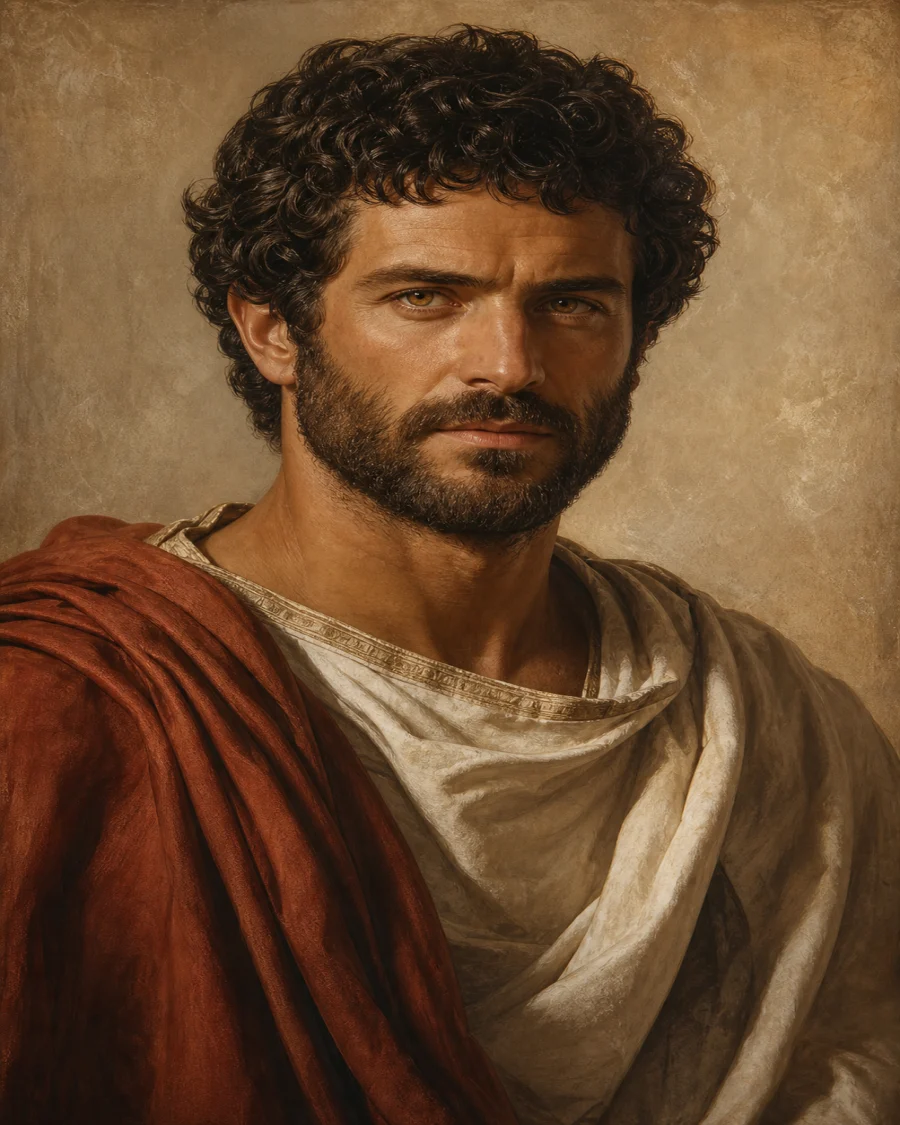
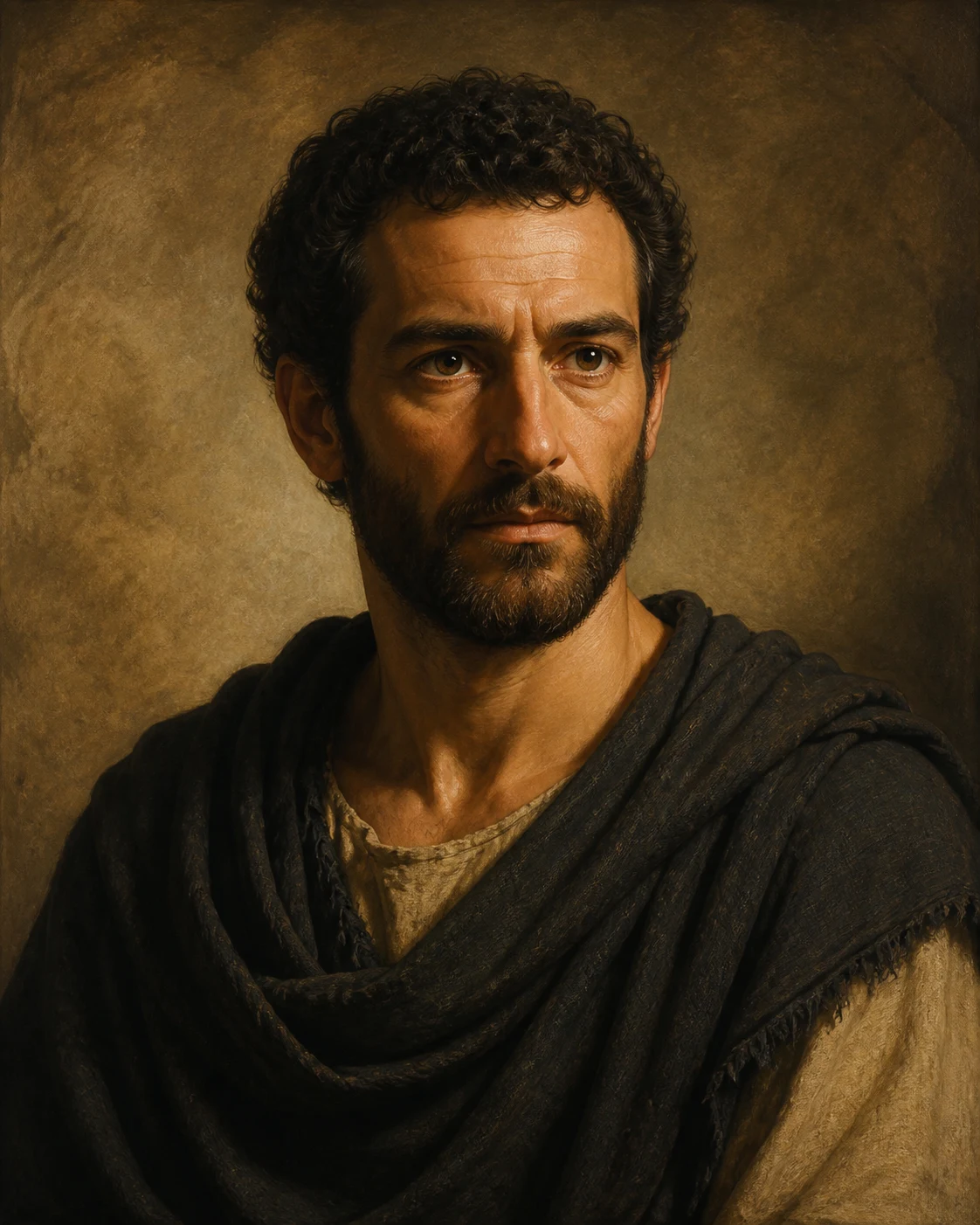
Epictetus, Stoicism philosopher

STOICISM · c. 50–135 CE

Epictetus

Freedom begins by locating what truly belongs to your choice.

WHY READ EPICTETUS

A life under pressure, not a mascot.

Born into slavery and later teaching philosophy in exile, Epictetus placed agency in the faculty of choice rather than status, possessions, or reputation. His discipline is demanding, but it should not be reduced to tolerating harm: it clarifies the judgments and actions that remain ours even under real constraint.

Epictetus matters because he places freedom in practiced judgment without pretending that external constraints are unreal. His life makes the distinction between agency and circumstance more demanding than a productivity slogan.

Especially useful forBoundariesConflictAgency

LIFE & CONTEXT · 3 CHAPTERS

The life behind the philosophy.

Historical context first. Modern interpretation second. No invented dialogue.
01

A life with little formal power

From slavery to philosophical study

Epictetus lived first as an enslaved person in Rome, gained freedom, and studied within the Stoic tradition before becoming a teacher.
Epictetus was born in the Greek-speaking eastern Roman world and spent part of his life enslaved in the household of Epaphroditus, a powerful freedman in Rome. Sources preserve too little to turn his early life into a neat triumph story. What can be said is that he studied philosophy, gained freedom, and taught within a society where legal status radically structured a person’s options.
02

Displaced but still teaching

Exile and the school at Nicopolis

When philosophers were expelled from Rome, he established a school in northwestern Greece centered on rigorous practical training.
After the emperor Domitian expelled philosophers from Rome, Epictetus established a school at Nicopolis. His teaching emphasized disciplined attention to impressions: before assent turns an appearance into fear, anger, vanity, or action, ask what the event actually shows and what belongs to choice. Students did not come merely to collect sayings. They were asked to rehearse a way of seeing until conduct under pressure changed.
03

What remains

A voice preserved by a student

He wrote no books himself. Arrian’s Discourses and Enchiridion preserve teaching about choice, role, attachment, and freedom under pressure.
Epictetus wrote nothing for publication. Arrian, a student, recorded the Discourses and produced the shorter Enchiridion. Their uncompromising tone can be misused to blame people for pain or oppression. A more faithful application distinguishes suffering from moral failure and agency from total control. The practice is to protect the capacity to judge and act where it remains—not to deny the body, social power, dependence, or the need to resist harm.

HOW TO READ CAREFULLY

Context changes the lesson.

Keep the Stoic faculty of choice distinct from the claim that material conditions do not matter. Read the Discourses in full before turning the compressed Enchiridion into universal rules.

Primary works and historical sources
  • Discourses, recorded by Arrian
  • Enchiridion
  • Fragments preserved in later authors
  • Simplicius, Commentary on the Enchiridion
Read the independent reference: Internet Encyclopedia of Philosophy: EpictetusContext and interpretation reviewed September 1, 2026.