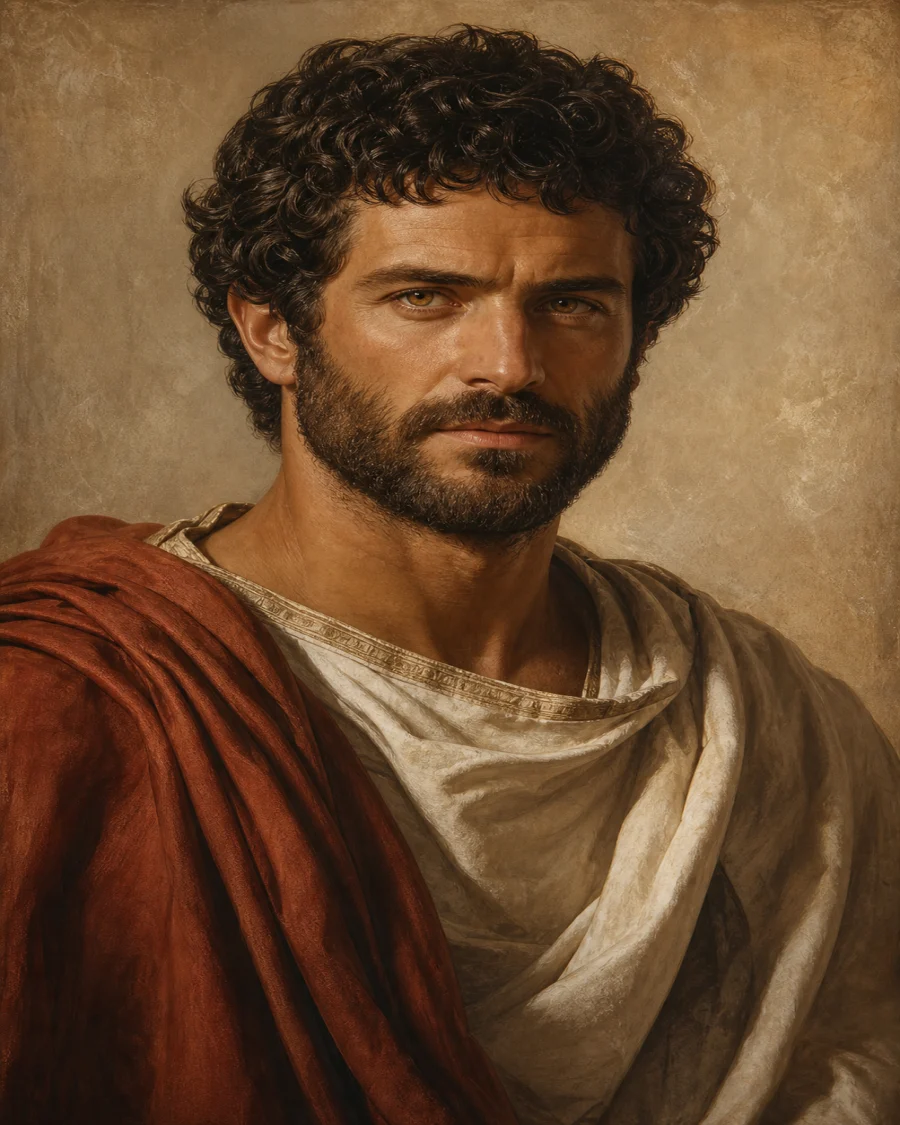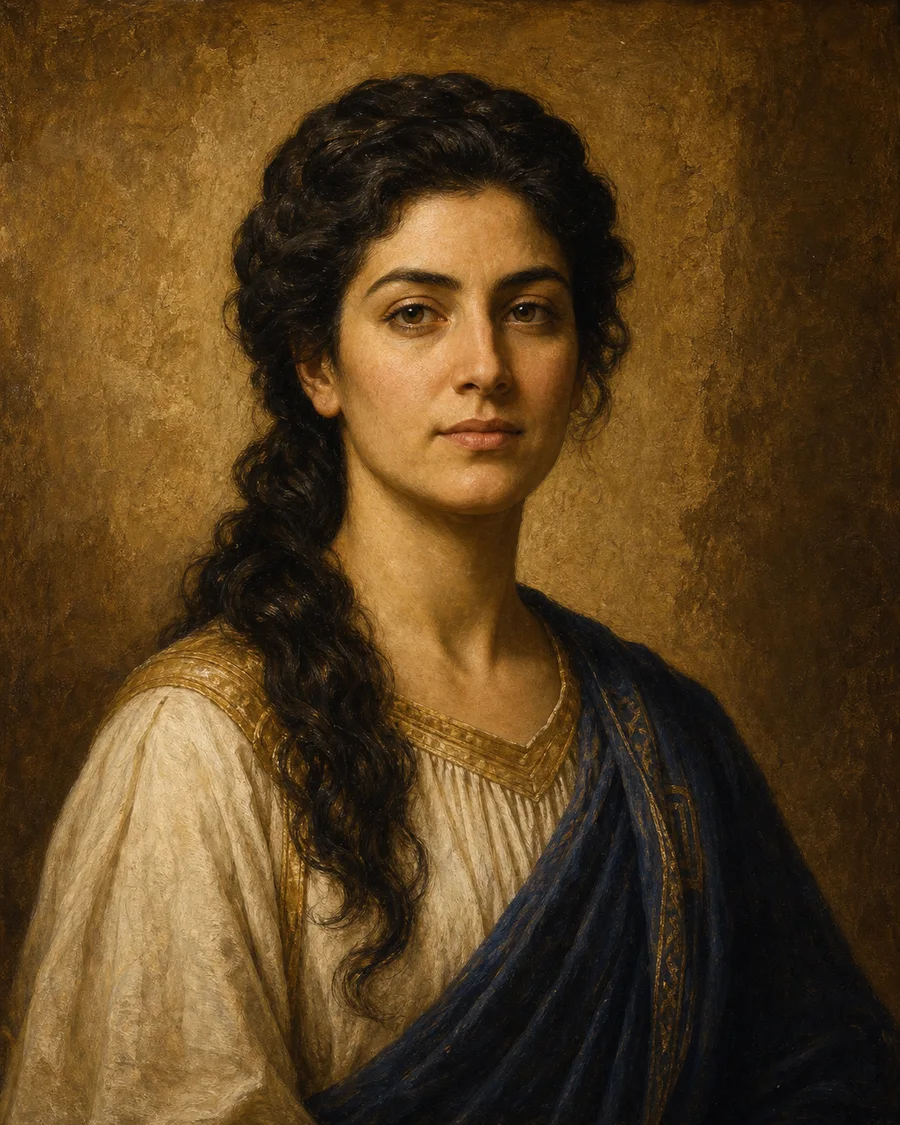
Hypatia
Hypatia, Alexandrian Neoplatonism philosopher

ALEXANDRIAN NEOPLATONISM · c. 355–415 CE

Hypatia

Intellectual independence is a practice of disciplined attention, not a pose.

WHY READ HYPATIA

A life under pressure, not a mascot.

Hypatia taught philosophy, mathematics, and astronomy in late-antique Alexandria. Her own works are almost entirely lost, so a responsible account begins with the limits of the record: letters from her student Synesius and later, sometimes conflicting narratives about her public teaching and violent death.

Hypatia matters because she joined exacting study to public teaching in a city where intellectual authority, civic influence, and religious conflict could not be kept apart. Her story also disciplines our appetite for a perfect heroine: the evidence is real, important, and incomplete.

Especially useful forLearningIndependent judgmentCivic courage

LIFE & CONTEXT · 3 CHAPTERS

The life behind the philosophy.

Historical context first. Modern interpretation second. No invented dialogue.
01

A city of learning and rivalry

Teacher in late-antique Alexandria

Working in a major intellectual center, Hypatia became known for teaching philosophy and mathematical sciences to students from different religious backgrounds.
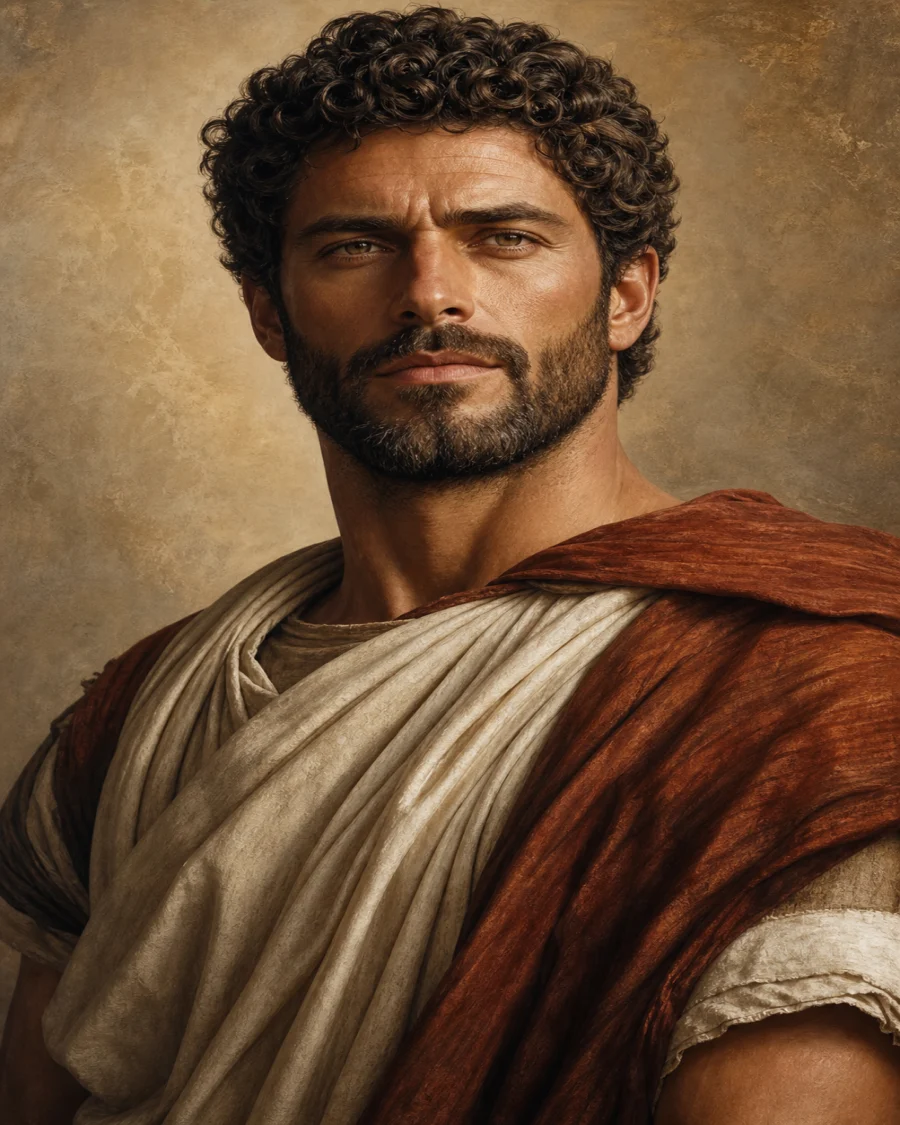
Hypatia was the daughter of Theon, an Alexandrian mathematician associated with important editions and commentaries. Sources indicate that she became a respected teacher of philosophy and mathematical sciences, drawing students from beyond Alexandria. The familiar claim that she directed the ancient Library of Alexandria is not supported by the surviving record. Her achievement needs no invented institution: a woman teaching advanced philosophy in public, and being sought out for counsel, was already exceptional in the late Roman world.
02

Knowledge in public

Counsel, authority, and civic danger

Her reputation carried her beyond the classroom into Alexandria’s public life, where political and religious conflict made visible independence increasingly dangerous.
Letters from Synesius of Cyrene, a former student who later became a Christian bishop, show a teacher whose intellectual community crossed religious identities. Other sources connect her with Orestes, Alexandria’s imperial prefect, during his conflict with Bishop Cyril. In 415, a Christian mob murdered Hypatia. The event belongs to a dense civic struggle over authority and faction; reducing it to a simple contest between ‘science’ and ‘religion’ obscures both her philosophy and the politics that made her vulnerable.
03

What remains

A legacy reconstructed from fragments

Because her philosophical writings do not survive, her legacy must be read through students, mathematical editorial work, and sources written with different agendas.
Very little can be assigned to Hypatia’s own hand with certainty. Ancient reports associate her with work on Diophantus, Apollonius, and astronomical texts, while her student’s letters preserve evidence of teaching, instruments, and a durable philosophical relationship. The honest legacy is therefore not a collection of quotable doctrines. It is a model of intellectual authority built through explanation, correspondence, and disciplined inquiry—and a warning about how quickly a public thinker can be turned into a symbol by later ages.

HOW TO READ CAREFULLY

Context changes the lesson.

Treat claims about Hypatia’s works, the Library of Alexandria, and her murder with source-by-source care. Most popular portraits combine later legend with a small body of contemporary or near-contemporary evidence.

Primary works and historical sources
  • Synesius of Cyrene, Letters to Hypatia
  • Socrates Scholasticus, Ecclesiastical History, Book 7
  • Damascius, Life of Isidore, surviving fragments
  • Theon’s commentary on Ptolemy’s Almagest, Book III heading
Read the independent reference: Encyclopaedia Britannica: HypatiaContext and interpretation reviewed September 1, 2026.