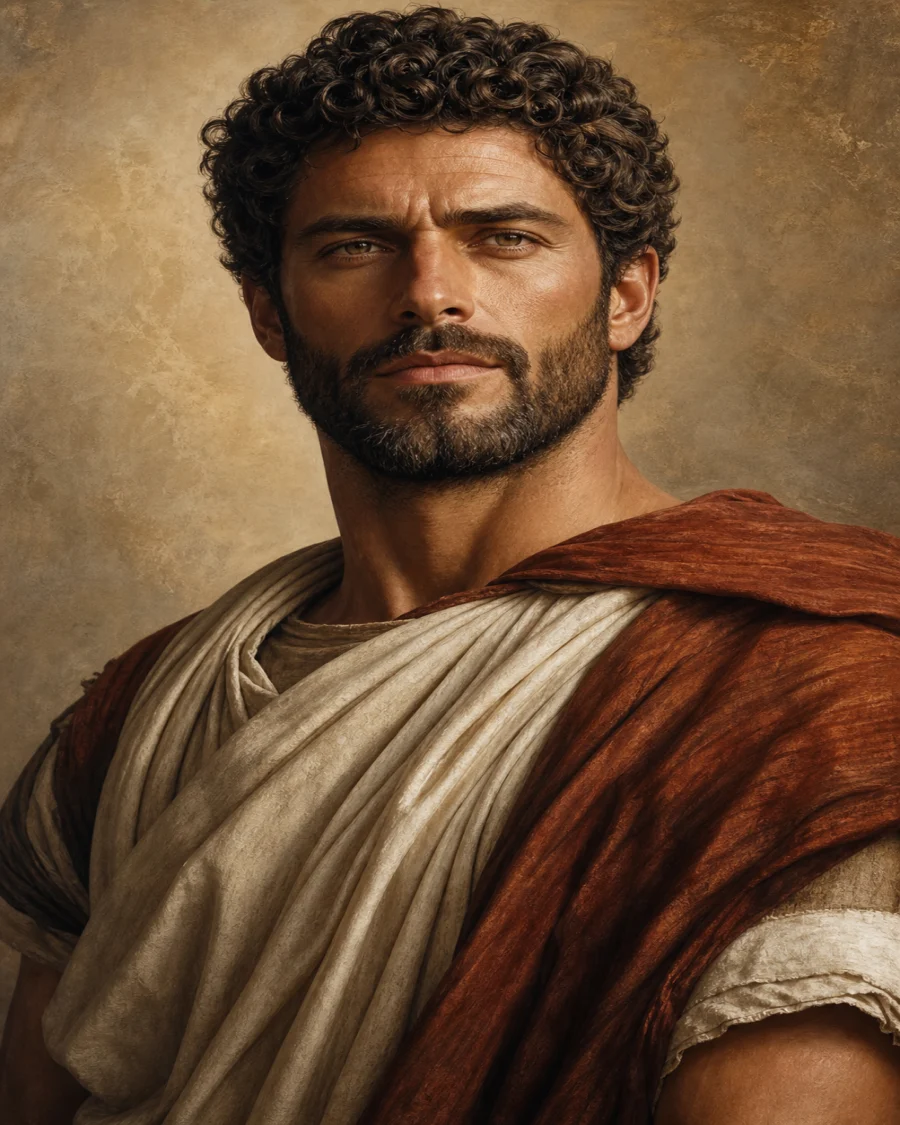
Athens, 399 BCE · the trial and its aftermath
Socrates: a life that could answer for itself
What would remain important if your choices had to be explained without excuses?
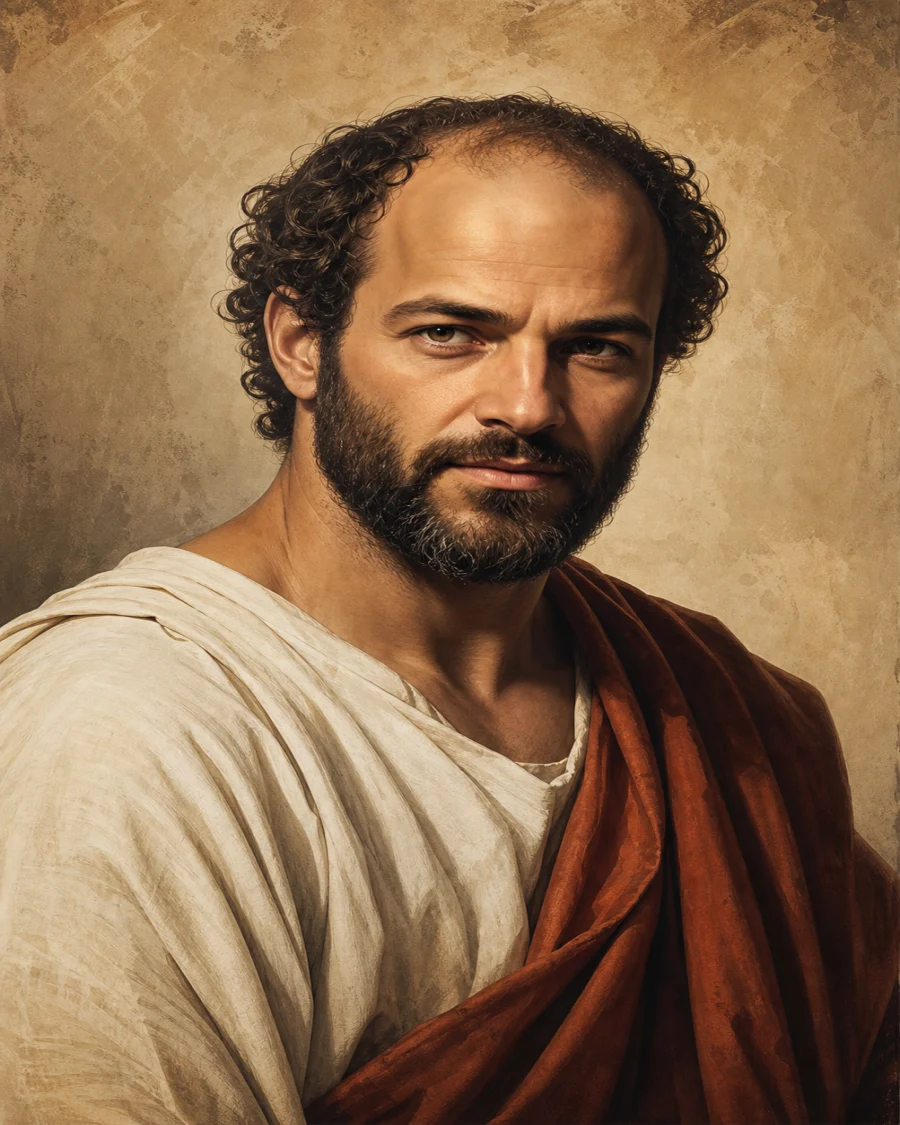 THE LIFE BEHIND THIS LESSONSocratesc. 470–399 BCE · Socratic inquiry
Socrates did not leave a diary telling us how he felt about dying. We meet his final days through other writers, especially Plato, and those accounts must be read as philosophical portraits rather than courtroom transcripts. Still, the central scene is hard to evade: an elderly citizen, convicted by his city, refuses to save himself by abandoning the practice that made his life recognizably his own.
His point was not that death is desirable. It was that fear of death can become a counterfeit authority. If staying alive at any cost requires a person to betray what they judge to be just, survival has quietly replaced judgment. The examined life is therefore not endless introspection. It is a life whose reasons can be brought into the open before the final deadline arrives.
Primary readingPlato, Apology 28b–42a; Phaedo 57a–69e