The city as classroom
Questions in public
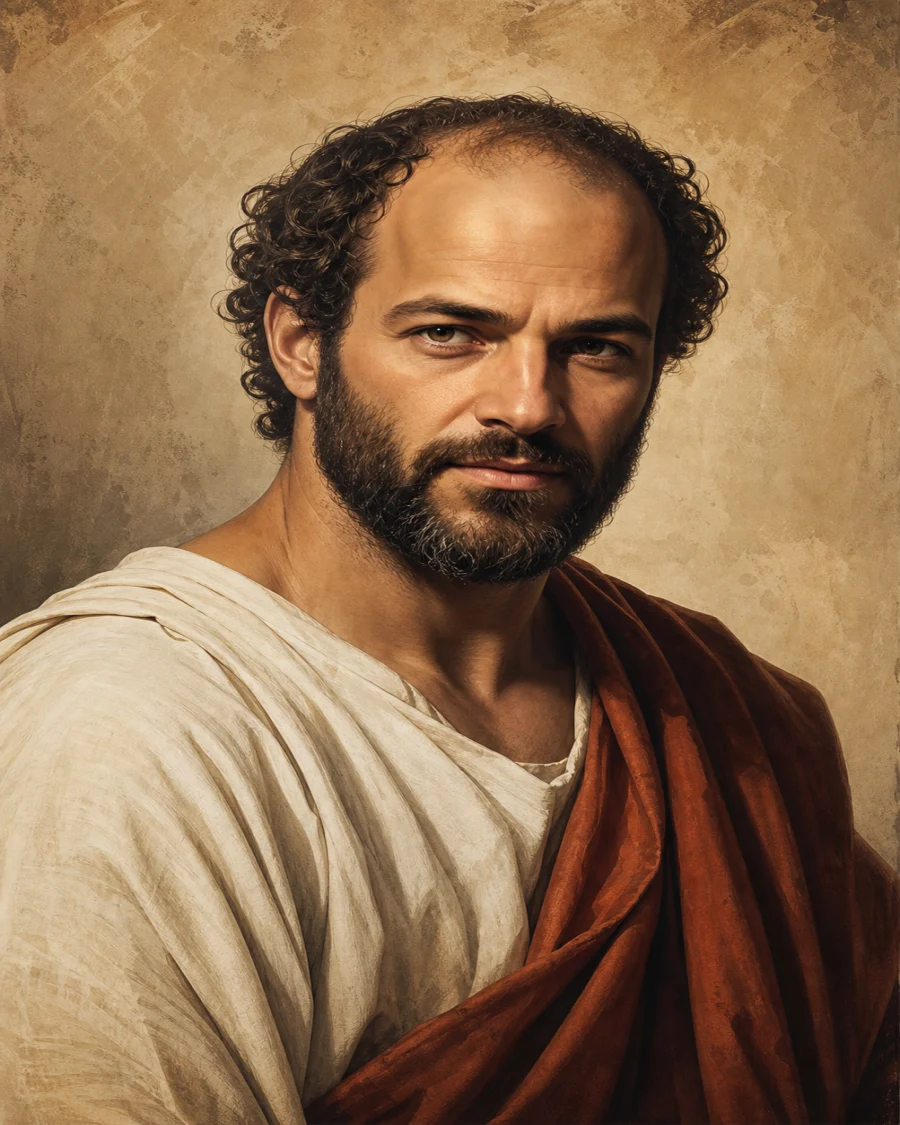
Socrates taught without a school or textbook, testing claims about courage, justice, and goodness in the streets of Athens.Socrates was an Athenian citizen formed by a city confident in argument, competition, and public speech. Ancient sources place him in military service and describe an unusual endurance, but the familiar barefoot questioner is already a literary figure shaped by admirers and critics. He charged no formal tuition and founded no institution. His classroom was the city itself, where claims about courage, piety, justice, and expertise could be tested in front of the people who lived by them.