ANONYMOUS · WORK
My stable job is making me disappear.
My job is secure and respected, but I feel absent from my own life. I have savings and a plan to retrain. My parents say leaving would waste their sacrifices and make me irresponsible. I no longer know whether the wish is mine or whether I am just running away.
My parents paid for lessons and tuition they could barely afford. Whenever I talk about retraining, my mother remembers the years they lived carefully so I could have a stable profession. I understand why my plan sounds like throwing their sacrifice away.
I have saved enough for a year and researched the program, but I still open job listings in secret. At work I perform well and feel less present every month. I cannot tell whether staying is mature responsibility or simply the easiest way to avoid disappointing people I love.
This composite scenario represents a recurring conflict between personal authorship and family security. It is educational, not individualized career or financial advice.
A SAGE ANSWERS
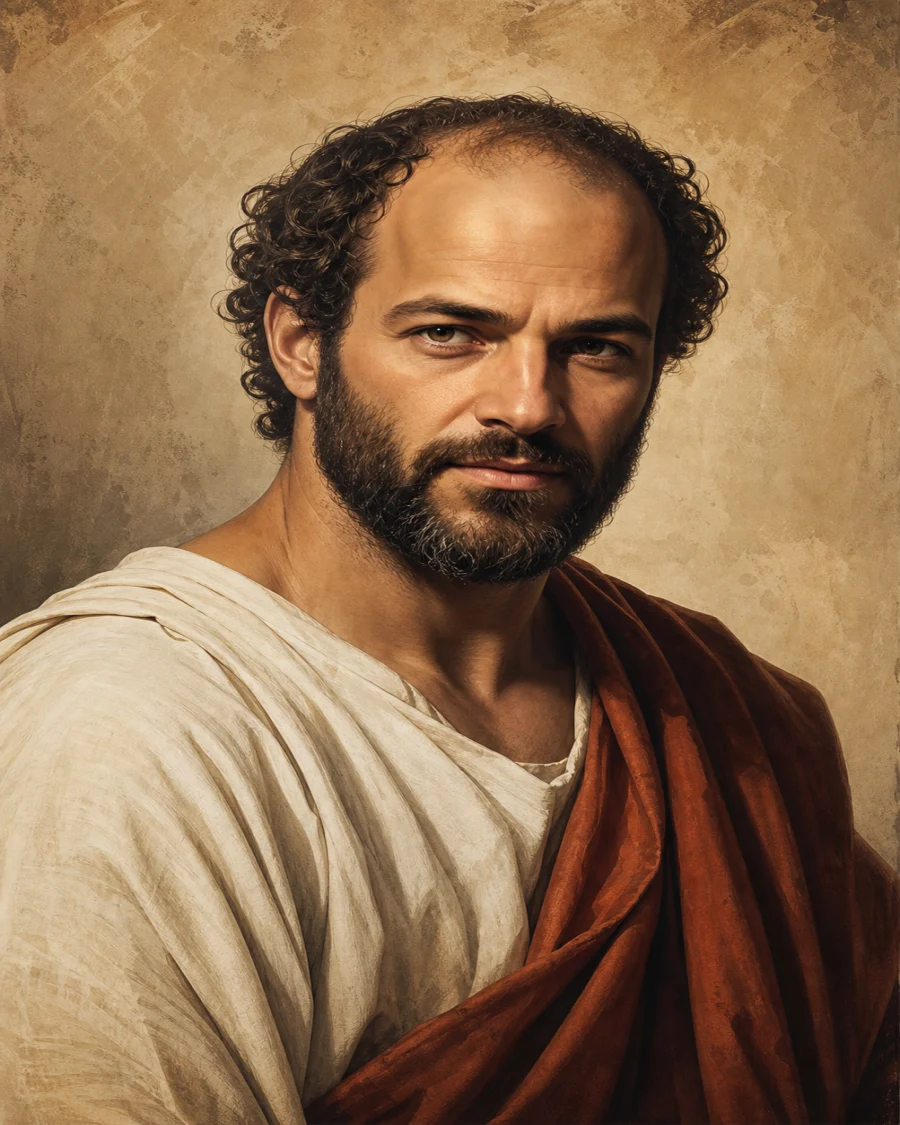
An answer from Socrates
Socratic inquiry · Socratic examination · modern editorial reconstructionSocrates answers
The family’s fear may contain wisdom about risk, especially if their history made security rare. But gratitude does not require turning another generation’s survival strategy into your permanent identity.
Socratic questioning helps separate claims that have become fused. What exactly counts as selfish? Which responsibilities would actually be abandoned? What evidence supports the retraining plan? What part of staying is prudence, and what part is fear of disapproval?
The conflict beneath the conflict
- On the surface
- Security protects a family while making one member feel absent from their own life.
- The deeper tension
- Which risks are genuine responsibilities and which are inherited fears that have acquired moral authority.
- A fair standard
- An examined change names its costs, protects real dependents, and remains answerable to evidence.
Evidence to watch
- The financial runway is specific
- A review date and fallback are defined
- The desire survives when rebellion and applause are removed
A choice becomes yours when you can answer for it
Freedom is not choosing the least frightening option. It is accepting the foreseeable costs of a decision for reasons you have examined, while taking reasonable steps to reduce avoidable harm.
You may still choose to stay, leave slowly, or set a later date. The philosophical gain is that the decision is no longer made by an unnamed authority hiding inside the word ‘should.’

Gratitude and obedience are different debts
A family’s sacrifice can create real obligations: honesty about risk, refusal to treat past support lightly, and care for people who still depend on you. It does not necessarily purchase the right to choose your occupation indefinitely. If gratitude means never revising the plan that once made sacrifice meaningful, then the child’s stable life becomes a monument rather than a life they are allowed to inhabit.
This distinction should not be used to romanticize departure. Rent, dependents, health, immigration status, and future care are not merely other people’s fear. The question is which costs are genuine responsibilities and which are emotional penalties for becoming different from the future your family imagined.
Make the risk legible before asking for trust
A plan becomes easier to examine when it has numbers and stopping points. Name the savings runway, training cost, earliest income, fallback work, and date when the experiment will be reviewed. Identify which parts are reversible and what evidence would make you pause. This does not remove risk; it prevents risk from remaining a symbol onto which every fear can be projected.
Present the plan without demanding immediate approval. Your family may continue to object, and disappointment may be one of the costs you accept. An authored choice is not a choice that hurts nobody. It is one whose foreseeable costs you have tried to understand and whose reasons you can state without hiding behind either rebellion or duty.
Freedom becomes credible when it can describe the bill
Vague dreams invite vague fear. ‘I need a different life’ can sound like a rejection of everyone who helped build the current one. A concrete transition plan changes the moral conversation because it distinguishes the costs you are willing to carry from costs you are quietly assigning to other people.
Even an excellent plan may not earn family approval. Adulthood sometimes means allowing people you love to remain disappointed while refusing to make them finance the experiment unknowingly. The honest choice is neither automatic obedience nor romantic escape; it is authorship practiced under real constraint.
A SMALL PRACTICE
Try this today
- List the concrete obligations your choice must protect.
- Write the strongest case for staying and for leaving.
- Choose one reversible experiment that produces new evidence.
Sources and editorial method
The direct answer above is a modern editorial reconstruction grounded in Socrates’s documented ideas. It is not a historical quotation or a claim that the philosopher encountered this case.
- Plato, Apology, Crito, Euthyphro, and Phaedo
- Xenophon, Memorabilia and Apology
- Aristophanes, Clouds
Written and reviewed by Sages Reply Editorial Studio. Read the contextual thinker profile · See our editorial standards · Report a concern
Read slowly. Keep what proves useful.