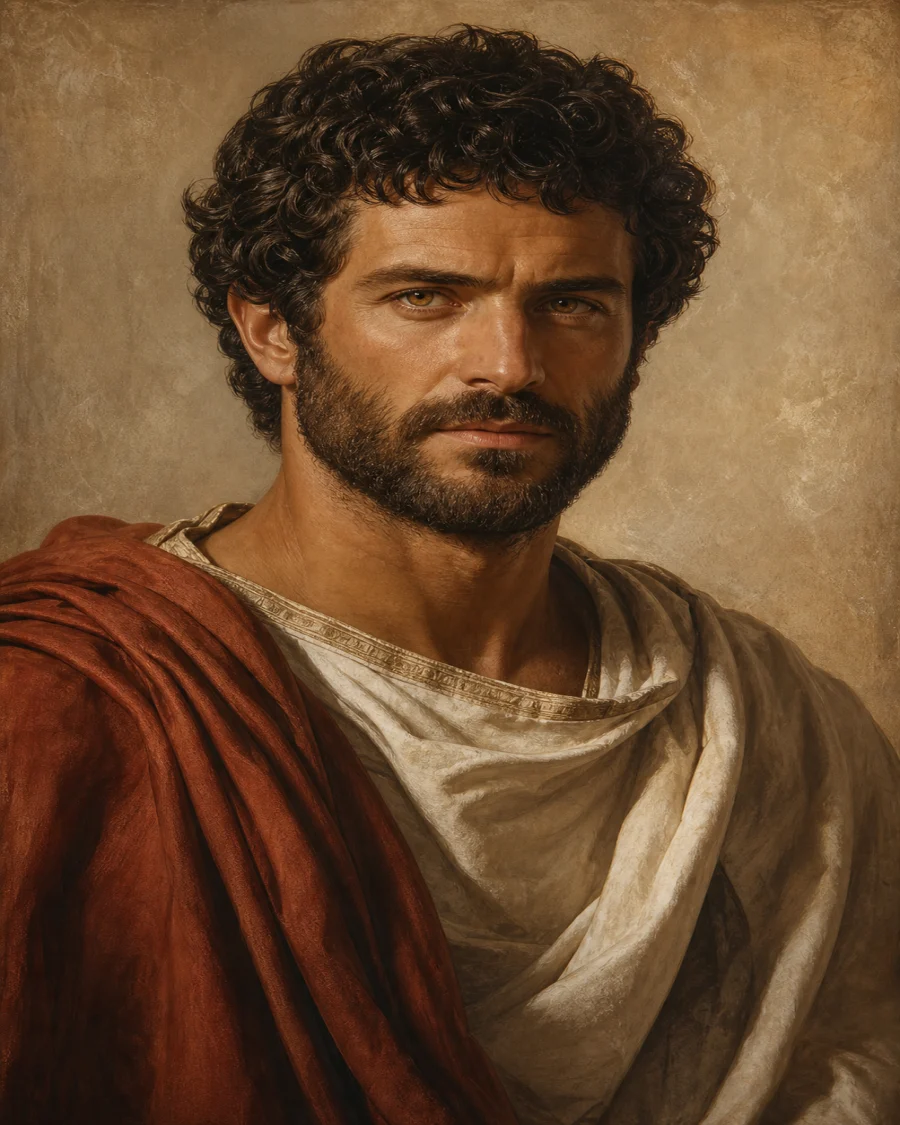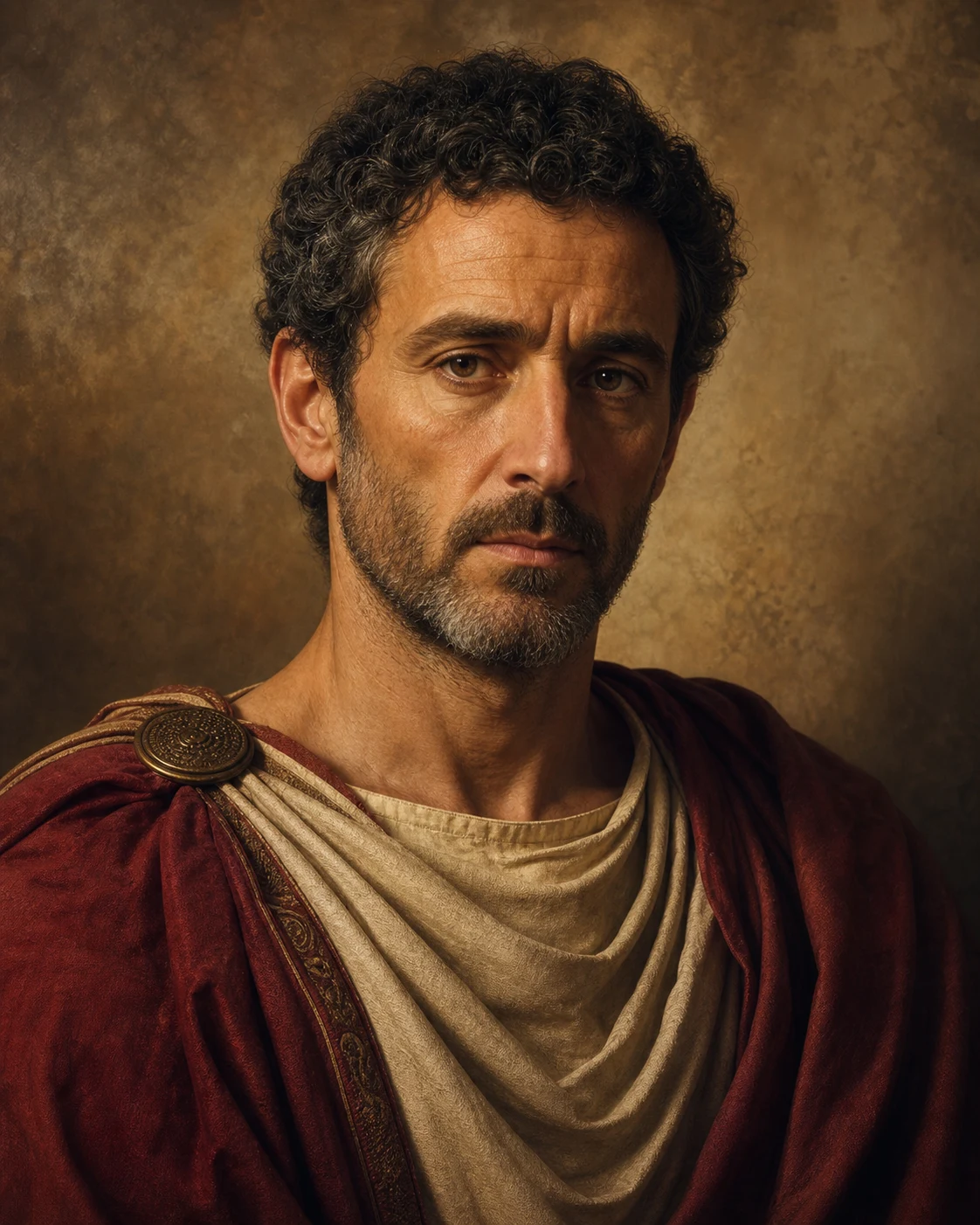
Seneca
Seneca, Roman Stoicism philosopher

ROMAN STOICISM · c. 4 BCE–65 CE

Seneca

A life is not short when attention is no longer squandered.

WHY READ SENECA

A life under pressure, not a mascot.

Seneca wrote about anger, grief, friendship, time, and public life while standing uncomfortably close to wealth and imperial power. That contradiction is not a footnote to hide. It makes him useful for readers trying to preserve judgment inside systems whose rewards can compromise the person receiving them.

Seneca matters because his advice about time, anger, grief, and freedom comes from a life entangled with wealth and dangerous power. The contradiction does not cancel the work, but it keeps every polished maxim accountable to conduct.

Especially useful forTimeGriefWorkplace pressure

LIFE & CONTEXT · 3 CHAPTERS

The life behind the philosophy.

Historical context first. Modern interpretation second. No invented dialogue.
01

A career inside power

Exile, recall, and imperial service

Seneca moved between literary life, political exile, and the dangerous position of adviser to the emperor Nero.
Born in Roman Spain and educated in Rome, Seneca built a public career through rhetoric and politics while developing an attachment to philosophy. Illness, court rivalry, and exile repeatedly interrupted that ascent. His recall from Corsica placed him near the center of imperial government as tutor and later adviser to Nero, where influence brought both opportunity and moral compromise.

02

The contradiction

Stoic restraint amid enormous wealth

His fortune and political proximity make his writing on simplicity and freedom a test case rather than an uncontested example.
Seneca accumulated substantial wealth and occupied a system capable of extreme violence. Ancient evidence is partisan and incomplete, so neither saintly defense nor easy hypocrisy tells the whole story. His attempts to withdraw from Nero’s court, and his forced suicide after the Pisonian conspiracy, give his writings on freedom and death a severe political background. Philosophy here is not purity outside power; it is the unstable work of judgment by someone already implicated.
03

What remains

Letters written as moral rehearsal

The Moral Letters treat friendship, mortality, anger, and time as daily exercises—unfinished work between one fallible person and another.
The Moral Letters are literary compositions, not casual messages, yet their form preserves something valuable: ethical thought as an exchange between unfinished people. Seneca returns to wasted time, anger’s false sense of strength, grief that must not be shamed, and friendship that resists mere usefulness. The contemporary lesson is strongest when it includes his contradiction: examine not only what a principle says, but what incentives and comforts make living it difficult.

HOW TO READ CAREFULLY

Context changes the lesson.

Read Seneca’s consolations and letters beside the political record and other Roman sources. Avoid isolated quote graphics that erase argument, audience, genre, and his proximity to imperial violence.

Primary works and historical sources
  • Moral Letters to Lucilius
  • On the Shortness of Life
  • On Anger
  • Tacitus, Annals, Books 13–15
Read the independent reference: Stanford Encyclopedia of Philosophy: SenecaContext and interpretation reviewed September 1, 2026.