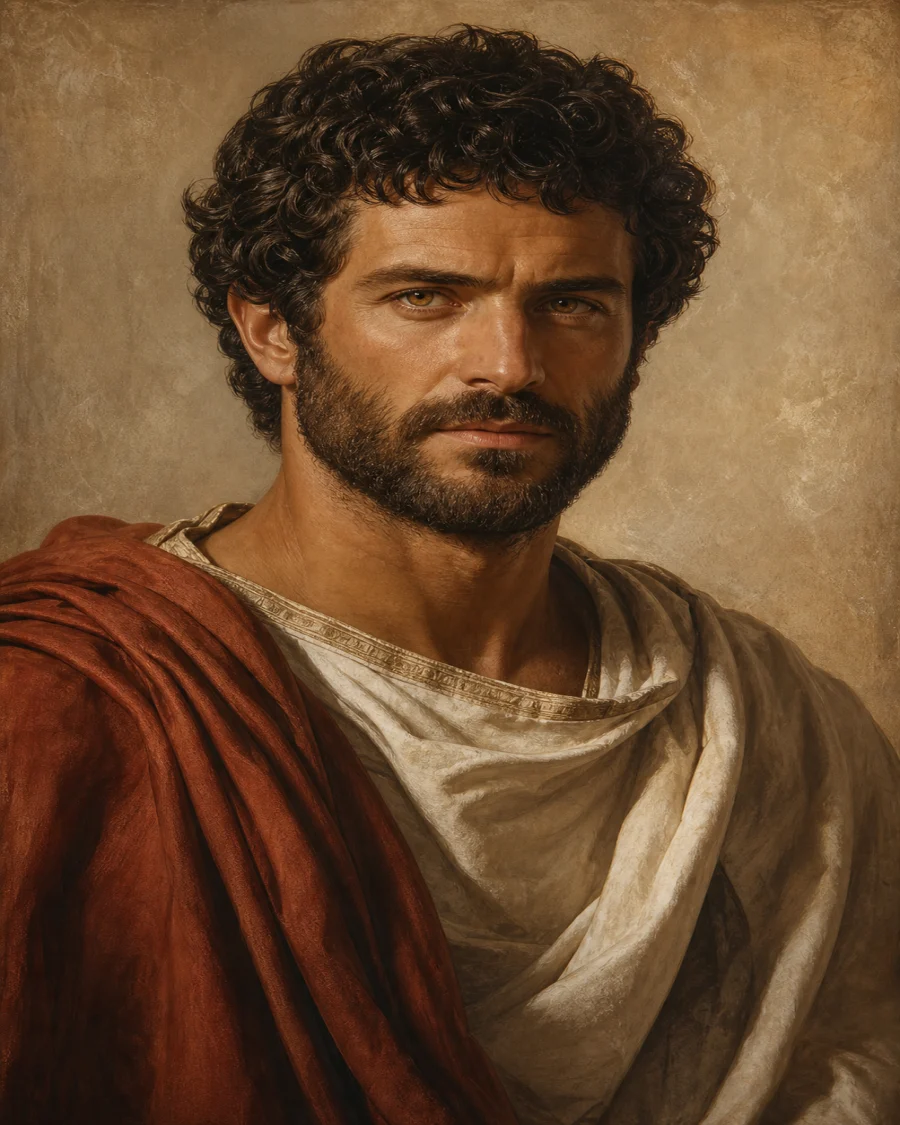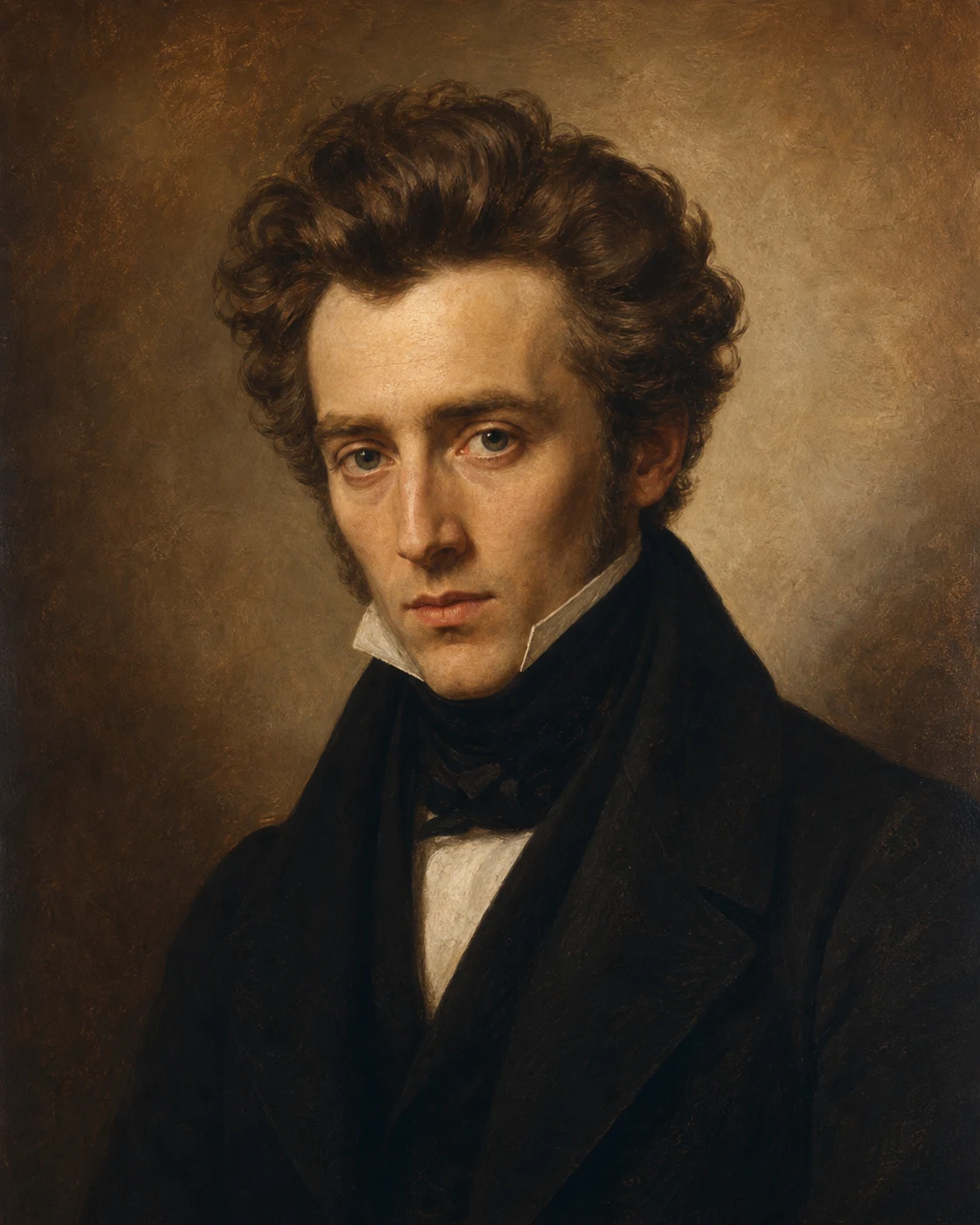
Søren Kierkegaard
Søren Kierkegaard, Existential philosophy philosopher

EXISTENTIAL PHILOSOPHY · 1813–1855

Søren Kierkegaard

A choice becomes yours only when you are willing to live its cost.

WHY READ SØREN KIERKEGAARD

A life under pressure, not a mascot.

Kierkegaard explored anxiety, despair, commitment, faith, and love through pseudonyms that disagree with one another. His broken engagement and combative public writing should not be turned into romantic legend; they show how difficult it can be to align inward conviction with responsibility toward another person.

Kierkegaard matters because he makes choice answer for its inward motives and outward cost. His writing about anxiety, love, and commitment is most useful when the drama of his own life is examined rather than romanticized.

Especially useful forCommitmentAnxietyLove

LIFE & CONTEXT · 3 CHAPTERS

The life behind the philosophy.

Historical context first. Modern interpretation second. No invented dialogue.
01

A household shaped by gravity

Inheritance, faith, and melancholy

Raised in Copenhagen in a wealthy but somber religious family, Kierkegaard inherited both material freedom and an intense moral imagination.
Kierkegaard grew up in Copenhagen in a wealthy household marked by religious seriousness, grief, and his father’s powerful presence. Financial independence later allowed him to write outside a university career, but freedom from employment did not mean freedom from inheritance. Much of his work circles the question of how a person receives a history without letting it decide every possibility in advance.

02

The choice that followed him

Regine Olsen and the broken engagement

His decision to end an engagement became a recurring site where vocation, fear, love, and self-justification could not be neatly separated.
His engagement to Regine Olsen and decision to break it became a central biographical fact, but no single philosophical explanation can settle what happened between two people. Kierkegaard repeatedly transformed the event into literary material about commitment, sacrifice, concealment, and vocation. A careful reader should resist making his pain noble by default. Inward conviction remains ethically accountable to the person who bears its consequences.
03

What remains

Many voices against a crowd

Pseudonymous works and direct religious writings resist a single system, asking what it means for an individual to choose without certainty or applause.
He wrote under pseudonyms whose positions cannot simply be combined into ‘what Kierkegaard believed,’ then published direct religious discourses under his own name. Late in life he attacked the established Danish church and the comfort of collective Christianity. Across these modes, the crowd is dangerous when it lets an individual borrow judgment without responsibility. Yet individuality is not isolation; Works of Love insists that care becomes real through demanding practices toward actual others.

HOW TO READ CAREFULLY

Context changes the lesson.

Distinguish pseudonymous voices from signed works and avoid diagnosing Kierkegaard from literary personas. Read his account of inwardness beside its demands of responsibility and neighbor-love.

Primary works and historical sources
  • Either/Or
  • Fear and Trembling
  • The Concept of Anxiety
  • Works of Love
Read the independent reference: Stanford Encyclopedia of Philosophy: Søren KierkegaardContext and interpretation reviewed September 1, 2026.