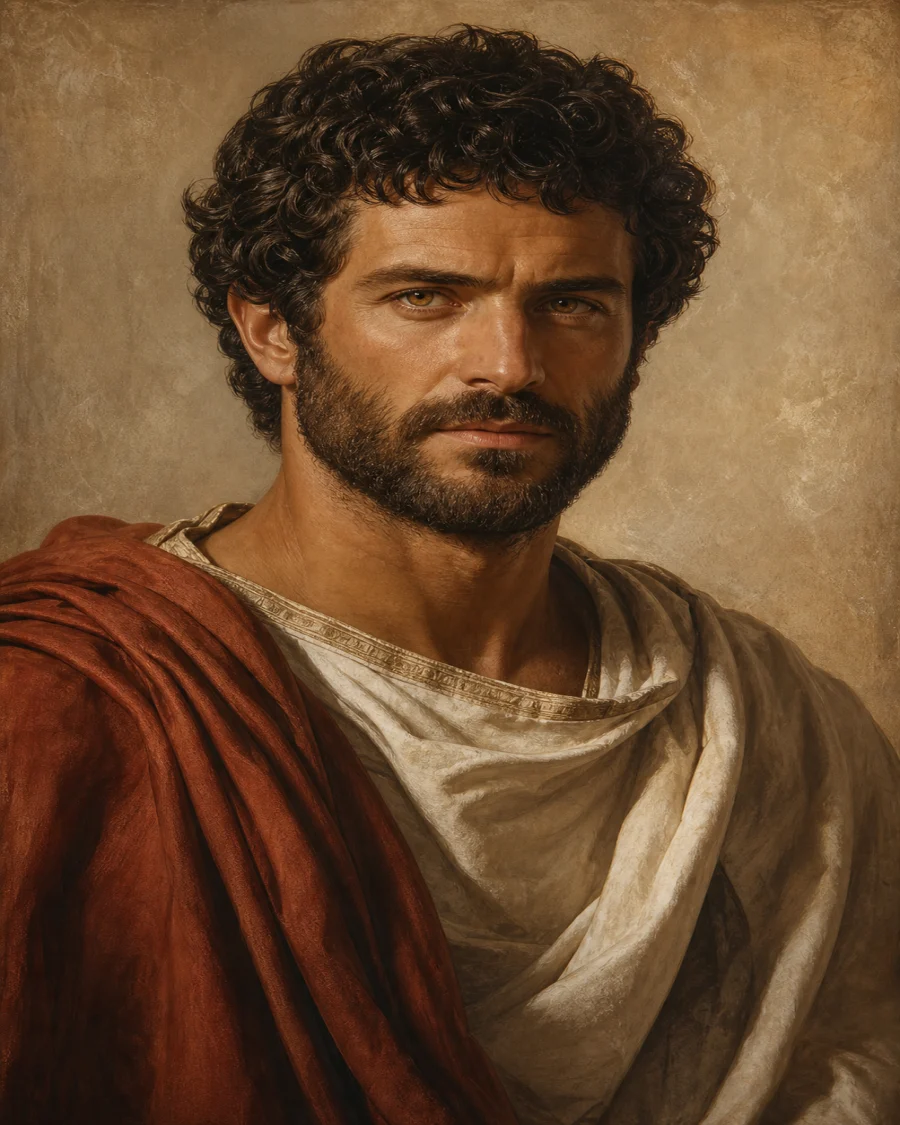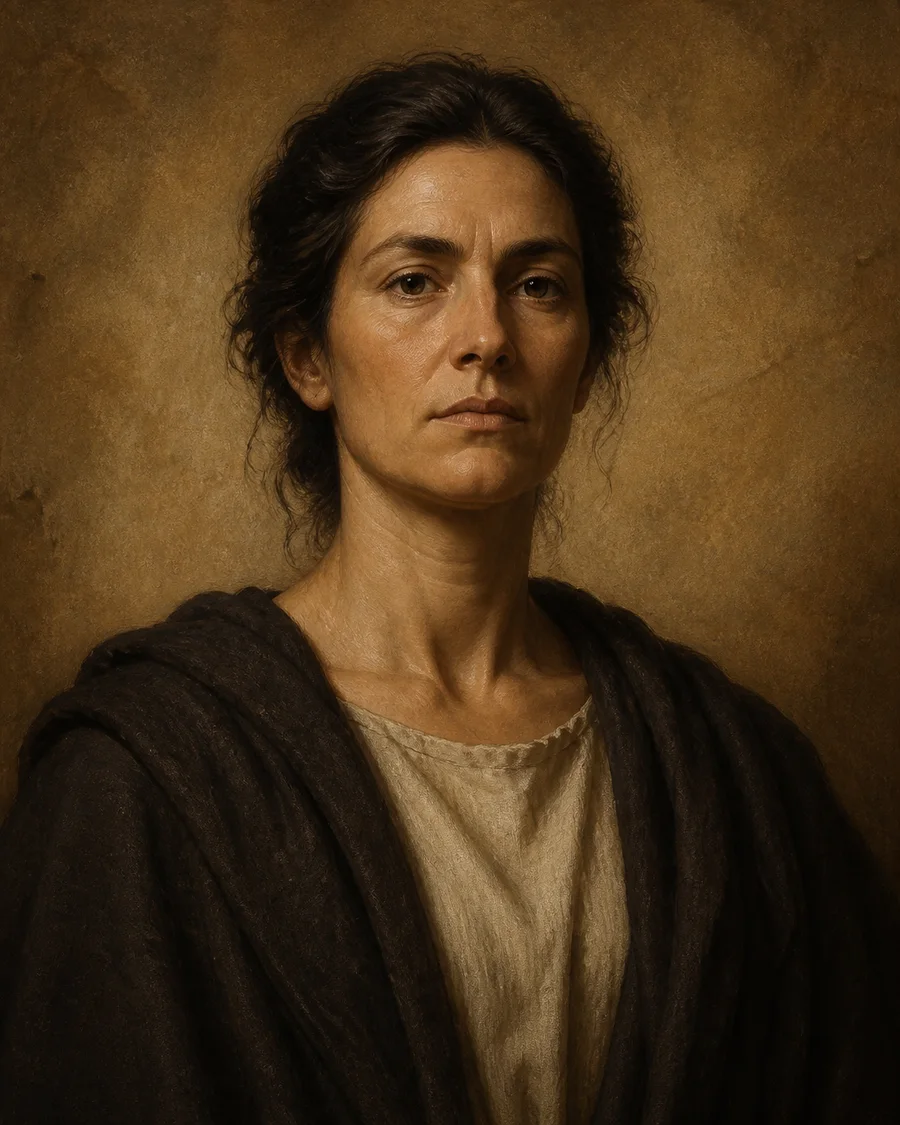
Hipparchia of Maroneia
Hipparchia of Maroneia, Cynicism philosopher

CYNICISM · fl. c. 300 BCE

Hipparchia of Maroneia

A life chosen by reason may refuse the role convention prepared for it.

WHY READ HIPPARCHIA OF MARONEIA

A life under pressure, not a mascot.

Hipparchia adopted the demanding Cynic way of life and practiced philosophy publicly with Crates, rejecting the domestic role expected of a woman of her class. No securely surviving work is hers; most details come from anecdotes recorded centuries later, so her example is powerful precisely when the uncertainty stays visible.

Hipparchia matters because Cynic philosophy was not merely something she affirmed; it reorganized where and how she lived. The later anecdotes ask a durable question: who is allowed to make a life of reason visible in public?

Especially useful forSocial pressureAutonomyCourage

LIFE & CONTEXT · 3 CHAPTERS

The life behind the philosophy.

Historical context first. Modern interpretation second. No invented dialogue.
01

A choice against convention

Leaving the expected life

Ancient accounts remember Hipparchia rejecting wealth and a conventional marriage in order to share the austere philosophical life of the Cynics.
Hipparchia came from Maroneia in Thrace and is remembered as the sister of Metrocles, who moved from Aristotle’s Lyceum toward the Cynic circle of Crates. Diogenes Laertius, writing centuries later, says she rejected wealthy suitors and chose Crates together with his poverty. The story has the polished shape of philosophical biography, so its dialogue and dramatic details cannot be read as a transcript. It nevertheless preserves the unusual fact around which the tradition formed: a woman of means adopted Cynic austerity as a deliberate vocation.

02

Philosophy as public conduct

Entering spaces closed to women

She appeared at symposia and argued in public, making her presence—and not only her words—a challenge to the gendered boundaries of Greek intellectual life.
Cynicism treated philosophy as training visible in conduct—few possessions, indifference to status, frank speech, and resistance to convention. For Hipparchia, public practice also challenged the household role assigned to women of her class. Ancient anecdotes place her at symposia and in argument with Theodorus. Some stories are hostile or sensational, but their recurring anxiety is revealing: she appeared where a woman philosopher was not expected and answered as an intellectual equal.
03

What remains

A life preserved as argument

Later stories may embellish the details, but they consistently preserve a woman whose philosophical practice tested whether reason and virtue belonged equally to women.
No securely surviving work can be read as Hipparchia’s own, although ancient tradition credited her with letters and arguments. Her legacy therefore rests on testimony shaped by both admiration and gendered spectacle. A careful modern reading does not turn every reported provocation into fact. It asks what the record consistently shows: Cynic freedom could expose convention as convention, and Hipparchia’s life forced the school itself to confront whether its universal claims about reason and virtue truly included women.

HOW TO READ CAREFULLY

Context changes the lesson.

Read the anecdotes as later philosophical biography, not stenographic evidence. Preserve the distinction between Hipparchia’s likely historical practice and stories designed to dramatize Cynic shamelessness.

Primary works and historical sources
  • Diogenes Laertius, Lives of Eminent Philosophers 6.96–98
  • Epictetus, Discourses 3.22
  • The Cynic Epistles, read as later pseudonymous works
Read the independent reference: Internet Encyclopedia of Philosophy: HipparchiaContext and interpretation reviewed September 1, 2026.