01 · FICTIONAL STORY · WORK
The finish line moves every time I get close.
For three review cycles my manager has said I am close to promotion. Each time there is a new reason: budget, visibility, one more project. I keep accepting the next assignment because refusing might prove I am not ready. I no longer know whether I have a plan or just a promise.
After the first delay, I volunteered for a visible project. After the second, I mentored two new employees and took over a difficult client. In the latest review, my manager praised all of it and said leadership wanted to see me operate at the next level for a little longer.
I left the meeting with another list of goals and the same vague hope. Each task is reasonable by itself. Together they form a finish line that moves whenever I approach it. I want to know whether I am being patient or being managed by optimism.
This composite story reflects a recurring workplace pattern of advancement criteria that move after they are met.
02 · PHILOSOPHICAL PERSPECTIVE
A lens for this story
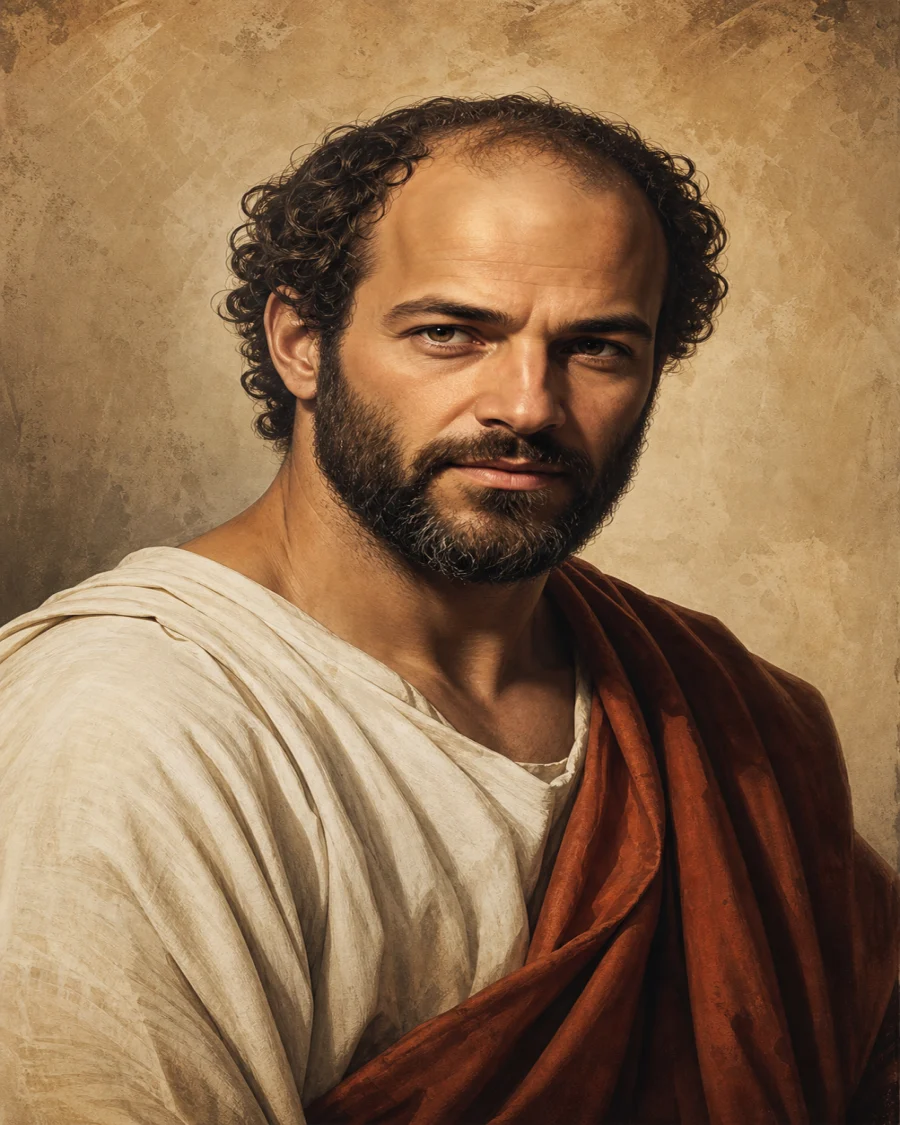
Socrates · Socratic inquiry · The examined promise · modern editorial interpretationEndurance needs an object and a reason
In Plato’s Laches 192b–193d, identifying courage with endurance leads to difficulties: persisting can be foolish as well as admirable. The dialogue does not offer a career timetable. It makes visible the gap between enduring for a long time and having a defensible reason to continue.
The employee’s patience may be sensible if an identifiable condition is likely to change. It becomes harder to assess when skill requirements, budgets, and unspecified visibility are substituted for one another. Our interpretation locates the problem in that moving explanation. More effort can address a genuine development gap; it cannot by itself create an approved role or make an undefined condition measurable.

A promise without conditions cannot be tested
‘Next cycle’ preserves hope while committing nobody to a result. Replace the future phrase with observable conditions: the target level, required outcomes, decision-maker, available headcount, review date, and evidence that will count. If a manager cannot name these, the promotion is not yet a plan; it is encouragement whose practical value may be very small.
A missing skill and a frozen headcount require different responses. The skill can be developed and assessed; the absence of an approved role cannot be solved by another heroic project. When the explanations are blended together, the employee remains busy addressing a problem that effort alone cannot resolve.
Excellent work cannot satisfy an undefined standard
When criteria remain movable, further effort does not necessarily increase the chance of promotion; it may only increase the value of delaying it. The employee keeps demonstrating readiness while management continues receiving next-level labor without making a next-level commitment.
A shared account of the criteria, decision-maker, and review date gives the next conversation something to compare. If the conditions change again, the employee can assess the actual offer against alternatives rather than treating another request for patience as new evidence. The point is not to issue a dramatic ultimatum. It is to stop confusing continued effort with progress toward an unspecified result.
Hope needs an expiration date
Patience is a virtue only when there is something specific to wait for. Without conditions, ‘next time’ turns effort into a renewable option for the employer. The worker supplies advanced contribution now while the organization preserves complete freedom about recognition later.
An endpoint for reconsideration need not become an ultimatum. It marks the point at which waiting must be justified by something other than the fact that waiting has already consumed time. Alternatives change the employee’s position from pleading for a verdict to evaluating whether the organization’s offer has substance.
Sources and editorial method
The perspective above is a modern editorial interpretation grounded in Socrates’s documented ideas. It is not a historical quotation or a claim that the philosopher encountered this case.
Read the independent reference: Stanford Encyclopedia of Philosophy: Socrates ↗Written and reviewed by Sages Reply Editorial Studio. Read the contextual thinker profile · See our editorial standards · Report a concern
Read slowly. Keep what proves useful.