01 · FICTIONAL STORY · RELATIONSHIPS
I found out from the photos.
I opened social media and saw my close friends together at a place we had discussed visiting. Nobody mentioned it to me. I have replayed every recent conversation looking for what I did wrong. Part of me wants to disappear before they can reject me again.
The photos appeared on Sunday morning. It was not a huge party—just four people from the group at the restaurant we had talked about trying together. One friend had even messaged me the previous day about something unrelated and said nothing about it.
I have invented several explanations: there were limited seats, someone else organized it, they assumed I was busy. I have also drafted a cold message and deleted it. What hurts is not missing one dinner; it is realizing I do not know my place in a group I considered safe.
This composite story reflects a familiar experience of social exclusion and uncertainty.
02 · PHILOSOPHICAL PERSPECTIVE
A lens for this story
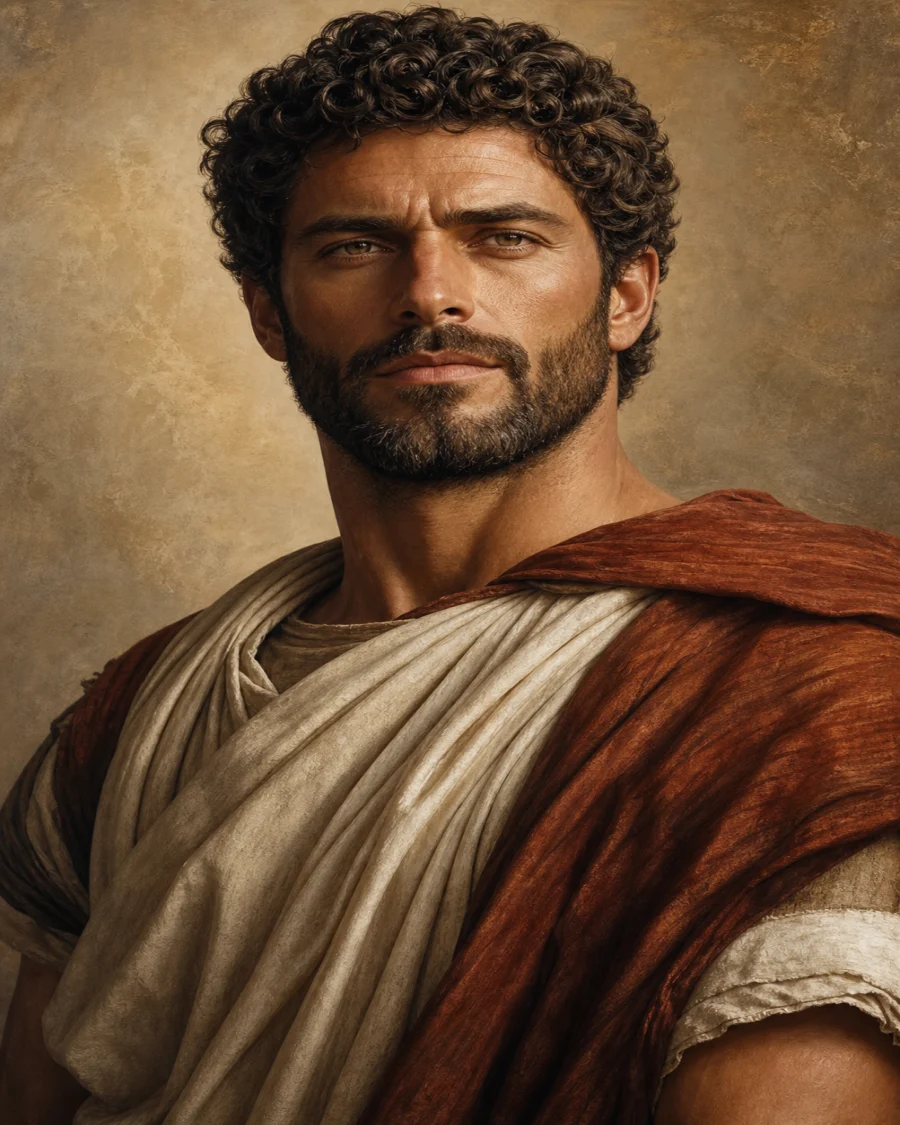
Marcus Aurelius · Stoicism · Judgment and what is yours · modern editorial interpretationThe event is certain; its meaning is not yet settled
Marcus Aurelius distinguishes a report from what judgment adds to it in Meditations 8.49. The distinction does not require dismissing pain. It requires noticing when a known event has acquired conclusions that the available evidence cannot yet carry.
In this fictional scene, the gathering happened and the person was absent. Whether the absence resulted from a misunderstanding, a smaller invitation, or deliberate exclusion remains another matter. Our reading resists both a verdict of rejection and the equally premature assurance that nothing is wrong. A pattern of omissions, the response to a question, and the handling of later plans can change the interpretation. One photograph cannot supply all three.

A photograph is evidence of one evening
The photograph proves that a gathering happened and that you were not there. It does not, by itself, prove why. Hurt quickly supplies a complete case: the group discussed you, decided against you, and concealed it. Those conclusions may eventually be true, but treating them as established facts makes the first conversation carry the weight of a verdict.
Resisting the verdict does not mean pretending the exclusion is trivial. The restaurant mattered because belonging mattered. Hold both facts together: you were left out of something meaningful, and you do not yet know the explanation. That is a more stable position from which to ask a real question.
Ask once, then watch the pattern
A proportionate conversation can name both the event and its effect: the photos showed a gathering that had been discussed together, and the absence hurt. That leaves room for missing information without pretending the hurt was trivial. Beginning with a verdict on every recent interaction would make the conversation a defense of character before anyone had explained this particular evening.
Afterward, evaluate more than the explanation. Is there care for the impact, curiosity about your experience, and a change in future invitations? One accidental omission can be repaired. Repeated exclusion accompanied by evasiveness is different evidence. You do not need to disappear pre-emptively, but you are allowed to revise how much safety you assign to the group.
Belonging cannot be proven from one frame
A photograph is powerful because it removes ambiguity about the event while preserving ambiguity about its meaning. The gathering happened; you were absent. The image cannot show who organized it, what constraint shaped it, or what anyone believed about your availability. Hurt fills those gaps faster than evidence can.
The response to a question adds evidence that the photograph cannot supply. A clumsy omission may lead to honest repair; repeated exclusion paired with defensiveness is different. The issue is no longer a retroactive invitation. It is whether the group can acknowledge the person’s stake in belonging without treating their hurt as the offense.
Sources and editorial method
The perspective above is a modern editorial interpretation grounded in Marcus Aurelius’s documented ideas. It is not a historical quotation or a claim that the philosopher encountered this case.
Read the independent reference: Stanford Encyclopedia of Philosophy: Stoicism ↗Written and reviewed by Sages Reply Editorial Studio. Read the contextual thinker profile · See our editorial standards · Report a concern
Read slowly. Keep what proves useful.